Graduate School workshop helps faculty and staff tell the story of UNF graduate programs
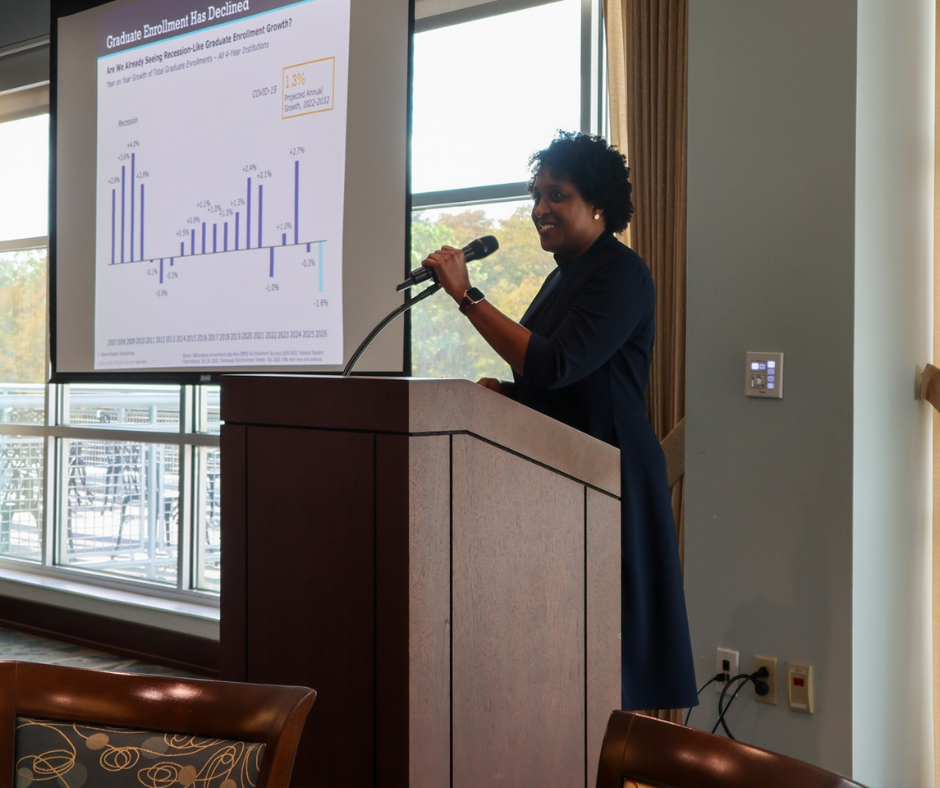
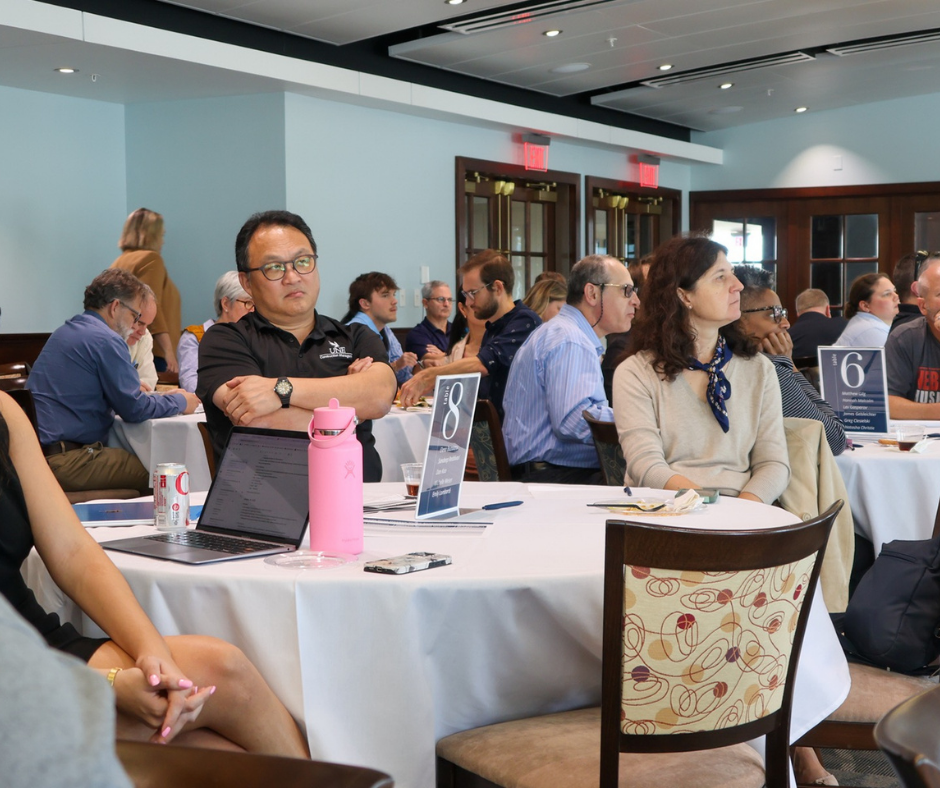
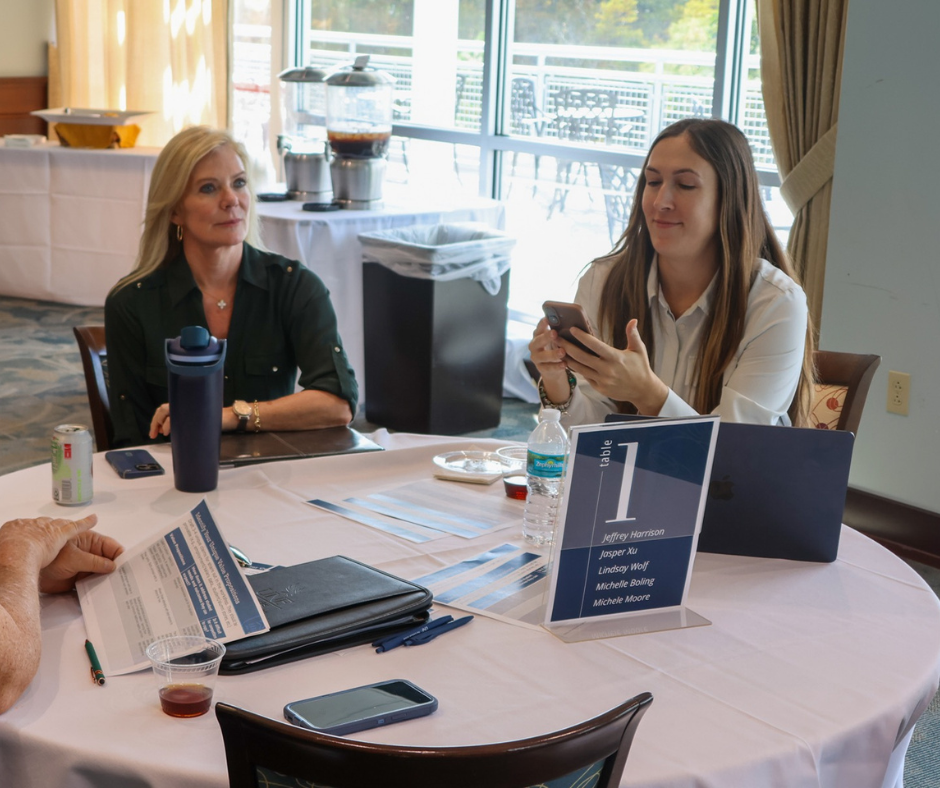
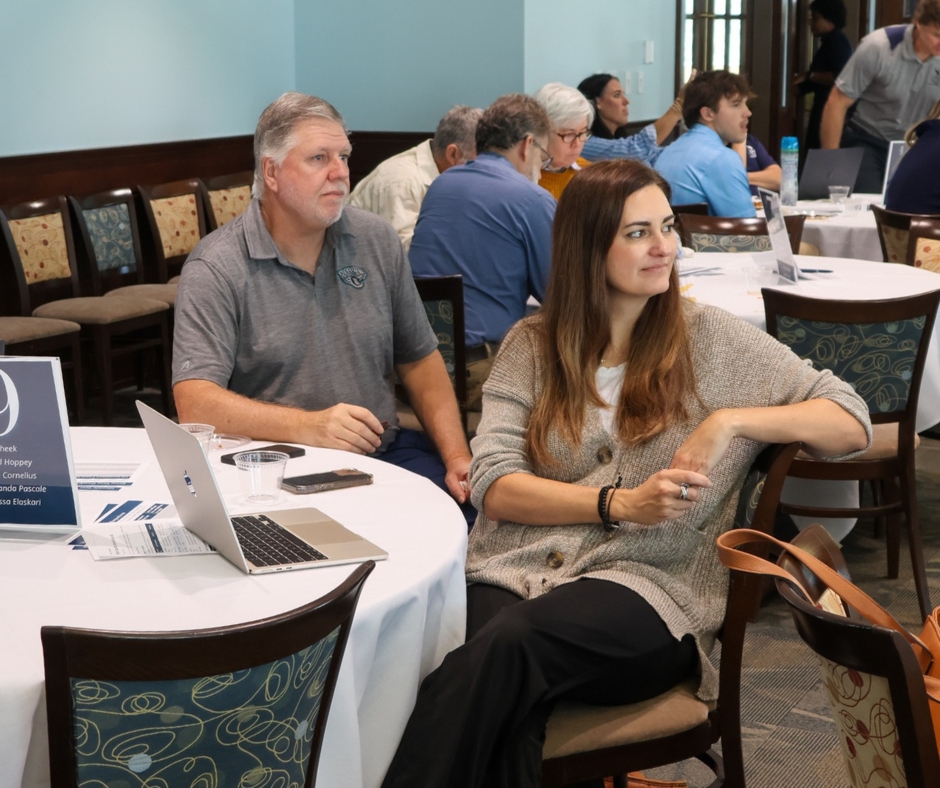
With so many graduate programs to choose from, prospective students can hear similar messages from one university to the next. Recently, UNF graduate program directors, department chairs and associate deans gathered to focus on what makes their programs distinctive, in a workshop hosted by the Graduate School with education consulting firm EAB.
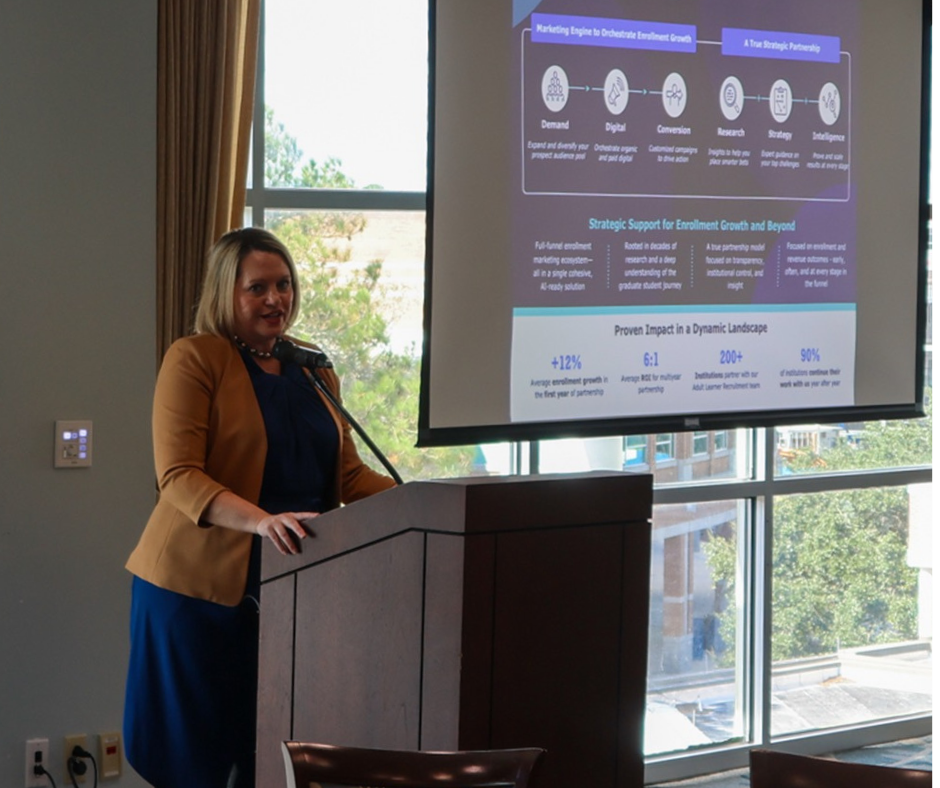
The session, “Bringing Your Differentiators to Life,” also included college recruiters and communications staff, along with Andrea Jones, vice president of marketing and communications, and Isabel Pease, associate vice president of marketing and communications. EAB consultants Michelle Weiser, senior strategic leader for Adult Learner Recruitment, and Beth Donaldson, managing director of consulting services, guided the group through a method for finding the claims their programs can make that competitors cannot.
 Finding what only UNF can say
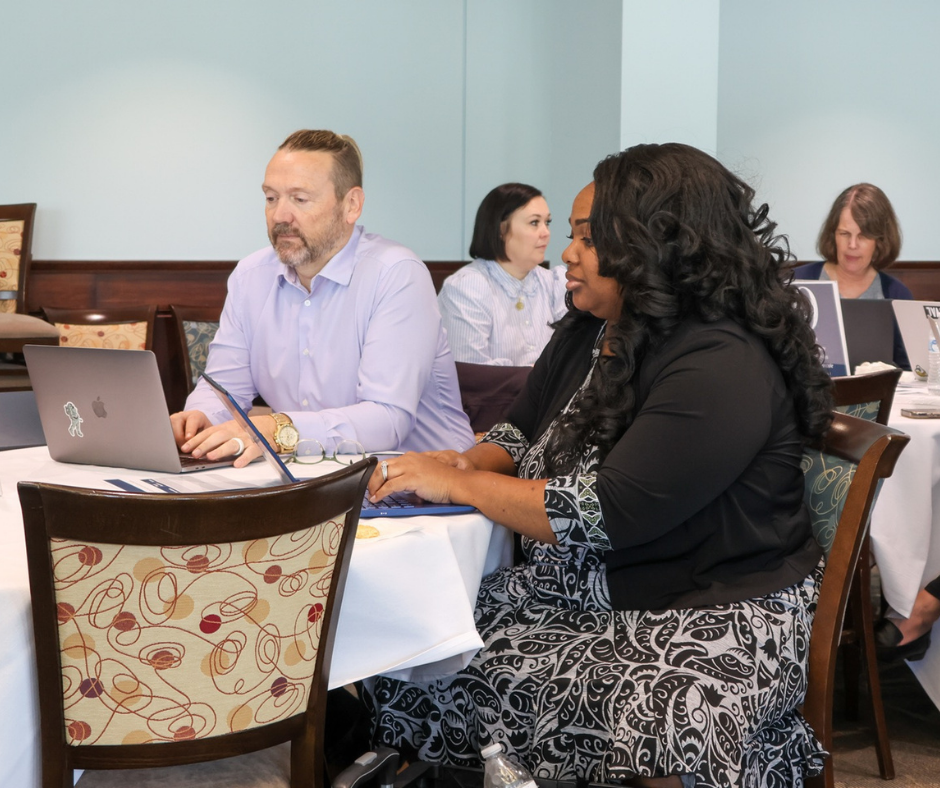
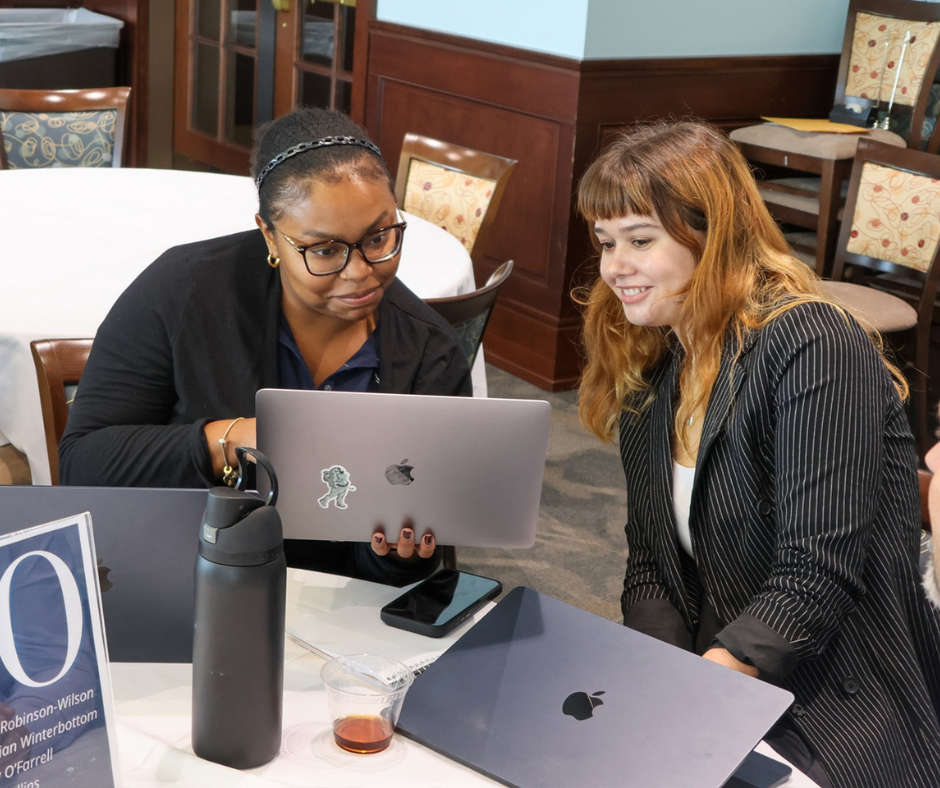
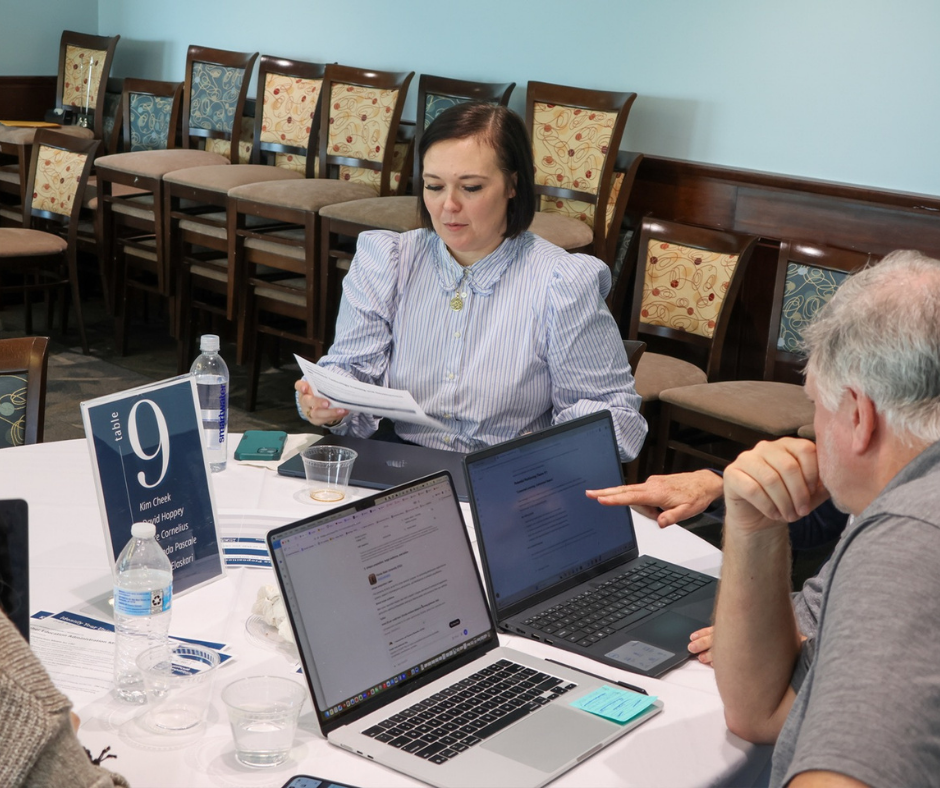
Before the session, graduate program directors researched how comparable programs in their fields position themselves. EAB then guided them through turning that research into claims that stand out, testing each one against four questions: does it matter to students, would it be hard for competitors to copy, is it true for most students in the program and will the market believe it?
The work builds on conversations The Graduate School has already had with several programs. Those led to revised admissions materials, updated websites and new email campaigns for prospective students. Along the way, one finding stood out: most faculty did not realize they were describing their programs with generic selling points.
Support for the people who carry the message
Including college recruiters and communications professionals alongside faculty leaders was intentional, said Dr. Michele Moore, dean of the Graduate School. “Many of us describe our programs in ways that sound good but could apply anywhere,” she said. “When faculty see how their program compares with others, they find what is truly distinctive about the work they do and the students they serve. Our job is to make sure faculty and staff have the tools and support to say it clearly.”
Once a program leader has identified a differentiator, the colleges’ recruitment and communications teams carry it into web pages, recruitment events, emails and ads. For recruiters, that shared language matters. Kaitlyn Minnicks, assistant director of graduate recruitment and retention for the Silverfield College of Education and Human Services, said, “Recruiters hear many of the same questions from prospective students every day, and having language that is specific to our programs makes those conversations easier. It helps to have faculty leaders in the room so that we are all describing the programs the same way.”
Program leaders said the exercise sharpened their thinking. Amy Bishop, director of Coggin Graduate and Executive Programs, said the students her programs serve are often working professionals comparing many options. “Clearly defining what makes our programs distinctive helps us speak to those students with confidence,” she said. “It lets us communicate our value with greater purpose and clarity.”
Dr. Tes Tuason, graduate program director in the Brooks College of Health, said it was a truly meaningful experience. "It made me reflect on what our students value and what they experience in our program and ask whether another program could say the same thing, " she said. "It made me pause and see the program through our students’ eyes, and think about the directions we could take that will matter to them.”
Across the colleges, leaders saw value in a common approach. Dr. Lev Gasparov, associate dean of the College of Arts and Sciences, said the session gave faculty a shared way to describe the real strengths of their programs. “Bringing recruiters and communications staff into the conversation helps us tell our story,” he said. “Pairing that with graduate assistantships, scholarships and competitive tuition support helps talented students choose us over competing programs.”
The Graduate School and Marketing and Communications will continue working with graduate program directors and college support staff to carry these conversations forward in the colleges.