INAUGURAL MICROBIAL FRONTIERS SYMPOSIUM
Microbial Frontiers: Biomedical Approaches & AI-Driven Genomics
From Infectious and Neuro-Diseases to Aquatic Systems
This event brings together leading microbiologists and researchers specializing in micro-biomes, infectious and neurological diseases, artificial intelligence, and aquatic systems. Our goal is to foster interdisciplinary collaboration, connecting faculty with sponsors, and inspiring the future of the field. Together, we inspire innovative solutions to global challenges.
Thursday, Nov. 20, 8:30 a.m. - 3:45 p.m.
Talon Room (Building 16, Osprey Commons, 4th Floor)
Hospitality and Networking
- 8:15 a.m. – 9:15 a.m. (Talon Room, Osprey Commons) — Breakfast
Continental breakfast and networking with guests, faculty and panelists. - Noon – 1:30 p.m. (Osprey Café, 1st Floor, Osprey Commons) — Lunch
Lunch tickets will be provided. - Noon - 1:30 p.m. (4th Floor, Osprey Commons) — Poster & Snack Session
Student posters displayed with snacks and fruit platters during the lunch interval.
Schedule
|
Time |
Session / Activity |
Speaker(s) |
Discussion Topic |
|---|---|---|---|
|
|
|||
|
9:15 a.m. |
Presidential Welcome |
Dr. Moez Limayem |
|
|
9:25 a.m. |
Opening Remarks |
Dr. Karen Patterson |
Research as a Pillar of UNF's Strategic Plan |
|
9:35 a.m. |
Dr. Kaveri Subrahmanyam Sandy Justice, CRA |
Introduction of Keynote Speaker and Panelists |
|
|
9:45 a.m.
|
Keynote: Interdisciplinary Vision Advanced Genomic & Nanotechnology spanning from the Microbiome to Water Systems For Emerging Disease Control |
Dr. Alya Limayem Inaugural Provost Research Fellow, UNF |
Discussion of: |
|
10:15 a.m. |
Panel I: Genomics & Biomedical approaches to Infectious and Neuro-Diseases |
Dr. Kimberly Mayer Chief Research Officer, UNF Panelists Dr. Christian Bréchot, USF Dr. Mark Jaroszeski, USF Dr. Paul R. Sanberg, Dr. Sudeep Sarkar, Dr. Hariom Yadav, |
Discussion includes: the role of AI in healthcare and data literacy, Ethical AI: Dependable Diagnoses and Trusted Treatment Plans, AI as a force multiplier for innovation, Affordable and Accessible Healthcare, Advancing Neuroscience and Brain Health |
|
11:15 a.m. |
Panel II: International Collaborations in Medical Study and Research |
Dr. Shyam Paryani, Community Engagement Director, Brooks College of Health, UNF Panelists Jose Ramirez, MD |
Ongoing studies and current work on emerging diseases |
|
Noon |
Networking Lunch |
Sandy Justice, RDI Director, USF |
Tabletop activities designed to spur collaboration |
|
1:30 p.m. |
Panel III: AI on the Microbial Frontier |
Dr. Brian Verkamp, Panelists Dr. Suzanne Ehrlich, UNF Dr. Xudong Liu, UNF Dr. Sudeep Sarkar, USF Industry Panel Steven Selders, Chief Informaton Officer, JEA Nick Tzanev |
Discussion of Ethics in AI, particularly with regard to modern science and the values that define science: rigor, reproducibility, accountability, and transparency. |
|
2:15 p.m. |
Panel IV: Aquatic Microbiome, Water Safety, Marine Genomics & Ocean Preservation |
Dr. James Gelsleichter |
|
|
Part-I (Ends at 3:00 p.m.) |
Panelists Dr. Amber Brown, UNF Dr. Dale A. Cassamatta, UNF Dr. Nikki Dix, FL DEP Dr. Matthew Gilg, UNF Dr. Alya Limayem (for questions) Dr. Larry Dishaw, USF Dr. P. Dreux Chappell, USF Dr. Tom Frazer, USF |
Discussion on Microbiome, Aquatic Systems Safety, Ocean Preservation, Reclaimed Water |
|
|
Part-II (Ends at 3:45 p.m.) |
|
|
Discussion on Biogeochemistry and Omics of Marine Science Priorities in Public Health Genomics |
|
3:45 p.m. |
Closing Remarks |
Dr. Kaveri Subrahmanyan |
-
Alya Limayem, Ph.D. — Keynote Speaker
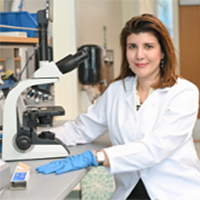 Alya Limayem, Ph.D., is an associate professor of biology at the University of North Florida and was recently named a Provost’s Inaugural Research Fellow, specializing in microbiology, nanotherapeutics and biotechnology. Her research addresses the global challenge of microbial diseases, including multidrug-resistant bacteria, and the development of safe, effective nanoformulations to combat emerging infectious diseases. Among her funded work, she received a grant to lead a wastewater treatment project focused on water reuse, applying advanced nanoremediation techniques and 16S metagenomic screening. Dr. Limayem holds three patents in antimicrobial nanotechnology, including a novel chitosan–zinc oxide nanoparticle formulation for treating drug-resistant infections. Her scholarly contributions include a top 3 most-cited article on biofuel and antimicrobial strategies, published in Progress in Energy and Combustion Science. She received the 2020 Best Researcher Award from the USF College of Pharmacy. Limayem was inducted as a Senior Member of the National Academy of Inventors and named a Rising Star by the Academy of Science, Engineering, and Medicine of Florida (ASEMFL).
 -
Christian Bréchot, M.D., Ph.D.
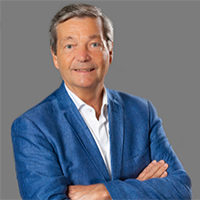 Christian Bréchot, M.D., Ph.D., is assistant vice president of internal medicine and senior associate dean of research for global affairs in the USF Morsani College of Medicine. Dr. Bréchot joined the USF Health Morsani College of Medicine part time as senior associate dean for research in global affairs, associate vice president for international partnerships and innovation, and professor in the Division of Infectious Disease, Department of Internal Medicine. He is also executive director of the Tampa-based Romark Laboratories Institute for Medical Research. Since 2017, Dr. Bréchot has served as pdresident of the Global Virus Network, a network of 48 research centers worldwide, headquartered in Baltimore.
 -
Amber Brown, Ph.D.
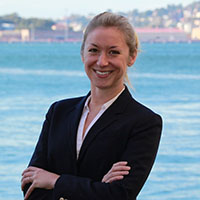 Amber Brown, Ph.D. is an honorary scientist at the University of Technology Sydney and holds a courtesy appointment at the University of North Florida. She is an early career researcher with a Ph.D. in Analytical Chemistry and Forensic Genetics from the University of Technology Sydney and the Australian Museum Research Institute. Her research is focused on interdiciplimary method development (i.e. analytical chemistry, engineering and genetics) and validation to investigate emerging threats to wildlife. Dr. Brown is currently a Co-PI in the development of a koala fingerprint database, the development of an eletronic nose as a forensic tool as well as in the investigation of health decline bottlenose dolphin populations in the St. Johns River and the Indian River Lagoon.
 -
Dale Casamatta, Ph.D.
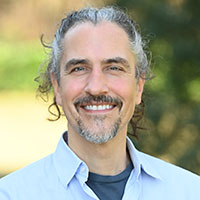 Dr. Casamatta Ph.D., is a professor of biology at the University of North Florida. He is a phycologist, specializing in the systematics and ecology of cyanobacteria. He has authored over 50 papers/book chapters on algae and named more than 25 genera and species new to science in his career. With his students, both graduate and undergraduate, he has examined algal communities from freshwater rivers, springs, inter-tidal regions, and marine habitats in Florida. An active member of the phycological community, he has served as both the President and Program Director for the Phycological Society of America and is a member of the board of directors for the International Phycological Society. In addition, he has been an editor for two algal journals and is an active peer reviewer. At UNF he teaches the general biology I and II series, as well as microbial biology.
-
Dr. P. Dreux Chappell, Ph.D.
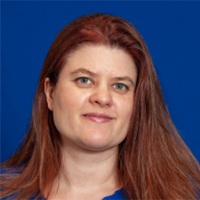 P. Dreux Chappell, Ph.D., is a marine microbial ecologist specializing in phytoplankton physiology, trace metal biogeochemistry, and molecular microbial ecology. With a BA in biology and a Ph.D. in chemical oceanography, her research integrates high-throughput sequencing, qPCR, and nutrient analysis to explore how ocean chemistry influences phytoplankton communities. Her group develops molecular tools to assess nutrient limitation and biological availability of elements like iron and phosphorus. Conducting research from pole to pole, she aims to improve biogeochemical models by linking microbial activity with chemical distributions in both coastal and open ocean environments.
 -
Larry Dishaw, Ph.D.
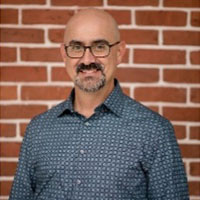 Dr. Larry Dishaw, Ph.D., is a professor of pediatrics and associate professor of molecular medicine at the University of South Florida’s Morsani College of Medicine. He holds a Ph.D. and BS in Biological Sciences from Florida International University. Dr. Dishaw’s research uses non-traditional animal models, including invertebrate chordates, to investigate gut immunity, microbiome interactions, and how environmental factors influence immune development. His lab studies how xenobiotics, microbes, and bacteriophages affect gut health, with particular focus on immune maturation and prematurity in infants. Dr. Dishaw has an extensive publication record and is a member of the American Association of Immunologists and the American Society of Microbiologists.
-
Nikki Dix, Ph.D.
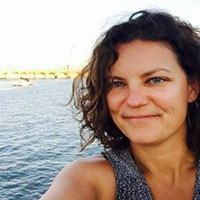 Dr. Dix is an assistant scientist at the University of North Florida and research director at the Guana Tolomato Matanzas National Estuarine Research Reserve (GTM NERR). Her research interests involve understanding how estuaries respond to natural and anthropogenic change with the intent of informing natural resource management. Dr. Dix has a Ph.D. from the University of Florida where she was supported by a NERR fellowship to study responses of plankton and oysters to eutrophication in the GTM estuary. She also facilitates activities of visiting researchers and works to develop collaborations between, scientists, managers, educators and the public.
 -
Suzanne Ehrlich, Ph.D.
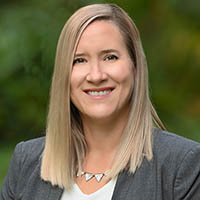 Dr. Suzanne Ehrlich Ph.D., is an associate professor at UNF and holds the position of program director for the Instructional Technology, Training and Development master's and undergraduate program at the University of North Florida (UNF). Demonstrating a commitment to AI innovation, she serves as a Stanford d.School's University Innovation Faculty Fellow (2025), a member of WCET's National Steering Committee, and a member of UNF's AI Council. Her research focuses on the promotion of digital accessibility via universal design and the application of AI in workforce learning development. Suzanne Ehrlich is an associate professor in the Instructional Technology, Training and Development program at the University of North Florida and was a certified ASL/English interpreter. With a doctorate in instructional design and technology from the University of Cincinnati, she researches and advocates for inclusive workplaces. She co-directs the UNITE Cointelligence Lab at UNF, offering corporate consulting and research on universal design and technology integration in workplace and post-secondary settings. Nationally and internationally, she presents on Universal Design for Learning (UDL) to enhance learner engagement and access through technology, with recent work emphasizing a UDL mindset in higher education and the workplace. Her publications cover topics such as interactive feedback in online learning, UDL in the workplace, and technology for deaf post-secondary students. Her service includes faculty development, serving as an EdSafeAI Women in AI fellow, and an Honors faculty fellow.
 -
Thomas K. Frazer, Ph.D.
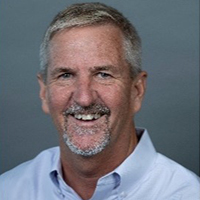 Thomas K. Frazer, Ph.D., professor and dean, USF College of Marine Science. Research on emerging environmental issues, and is, by nature, interdisciplinary. His work involves collaborators from disparate disciplines, and it includes sampling and experiments conducted across a wide range of spatial and temporal scales. Dr. Frazer has received more than $14 million in research funding to address topics pertaining to water quantity and quality, nutrient dynamics, biogeochemical processes, fish population dynamics, food web interactions, and ecological restoration of degraded ecosystems. He has authored/co-authored over 175 publications, technical reports, and book chapters. Dr. Frazer currently serves as Chair of the Gulf Fisheries Management Council, and is a member of APLU’s Board on Oceans, Atmosphere and Climate, and he previously served as member of the US EPA’s Oil Spill Research Strategy Review Panel.
 -
James Gelsleichter, Ph.D.
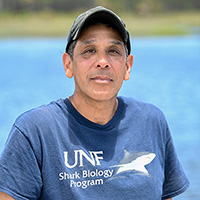 Dr. James Gelsleichter Ph.D., is the Coastal and Marine Biology Flagship Program director and biology professor at the University of North Florida. He is also the John A. Delaney Presidential Professor for 2024-27. Gelsleichter, a global expert in shark biology, ecology, endocrinology and toxicology, joined the UNF faculty in 2008. He has researched sharks and their relatives for more than 25 years and worked as a staff scientist and research program director at Mote Marine Laboratory’s Center for Shark Research for a decade before he arrived at UNF.
His research focuses on the ecology of shark populations in Northeast Florida waters, shark and ray reproduction and the effects of environmental pollutants on sharks and other fish species. -
Matthew Gilg, Ph.D.
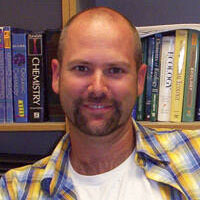 Dr. Matthew Gilg Ph.D., is a professor of biology at the University of North Florida. His interests focus on a variety of evolutionary questions including the genetics and process of speciation, hybridization and how organisms respond to climate change. His studies involve an assessment of naturally hybridizing populations of two species of killifish, investigation of adaptation and acclimatization of the threatened coral species, and work relating to a local invasive mussel.
 -
Devang Gujarathi, M.D.
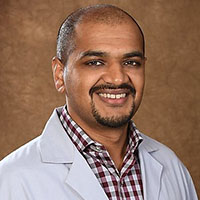 Dr. Gujarathi is the dean of Clinical Sciences at the Saint James School of Medicine. He has taught for more than 10 years and his research has focused on Immunotactoid Glomerulonephropathy. He was the valedictorian of his class at Saint James and has received the Outstanding Service in Hospital Medicine Award from the Society of Hospital Medicine.
 -
Ashraya Jagadeesh, M.D.
 Dr. Ashraya Jagadeesh is a professor and Dean of Student Affairs at St. James School of Medicine. She has taught for more than 20 years in microbiology, immunology and BSCR. Her research has focused on autoimmune mechanisms of interferon hypersensitivity and neurodegenerative diseases as well as interferon stimulated response elements in human chromosome 21 genes.
 -
Mark J. Jaroszeski, Ph.D.
 Mark Jaroszeski, Ph.D., is a Professor of Medical Engineering at the University of South Florida. His department is jointly administered by the USF Colleges of Engineering and Medicine. His research for the past 30 years has focused on the use of pulsed electric fields and electrical plasmas for the delivery of drugs and DNA in vivo for the treatment of cancer, disease management, and vaccination. His work has been supported by multiple competitively funded grants from 7 different branches of the National Institutes of Health as well as other sources that include industry. This work has resulted in 2 clinical trials, 60 publications, and 40 issues US patents on devices and methods for electrically mediated drug/gene delivery. The translational nature of this work and the intellectual property have, more recently, been licensed and used to form a company that focused on bringing the technology out of academia to the clinical and veterinary markets.
-
Sandy Justice, CRA
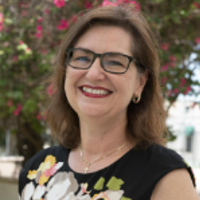 Sandy Justice, CRA, Director of the USF Research Development Institute. Dedicated to strategically advance the research enterprise through hyper-collaborative initiatives, she activates bold ideas to optimize efficiencies and drive excellence in research administration. Sandra has received three NSF GRANTED awards totaling $6.7 million to reduce faculty administrative burden and improve operational efficiencies. NSF BUILD - Bridging the Unmet Industry Learning Demands for Research, NSF #2434079. NSF PRIMER - A model to strengthen the research enterprise at predominantly undergraduate institutions, NSF # 2448900. Sandra leads the USF Summer Grant Writing Workshops. Over the past 5 years, this 8-week virtual program welcomed over 2,000 participants representing over 100 distinct institutions.
 -
Ali Kasraeian, M.D.
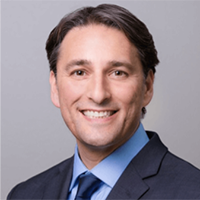 Ali Kasraeian, M.D., is a board-certified urologist who provides general and specialized urologic care to patients in Duval County and Northeast Florida. Named among “America’s Top Surgeons” by the Consumers’ Research Council of America, he completed a prestigious fellowship in advanced laparoscopic, robotic, and minimally invasive urologic surgery at the highly acclaimed Montsouris Institute in Paris, France. As a fellow of the American College of Surgeons, he specializes in the advanced diagnosis of prostate disease and is a leading expert on minimally invasive and ablative urologic surgery for prostate, kidney, and bladder cancers, as well as benign prostatic hyperplasia (BPH). Appointed by Governor Ron DeSantis as a distinguished member of the State of Florida Prostate Cancer Advisory Council (PCAC). He holds diplomate status with the American Board of Urology, serves on the Joint Advocacy Committee of the Florida Chapter of the American College of Surgeons and a board member and legislative chair of the Florida Urological Society.
 -
Xudong Liu, Ph.D.
 Dr. Xudong Liu's research agenda mostly has been about solving both theoretical and practical problems on decision making, using tools and methods found in artificial intelligence, computational social science, and computational complexity theory. His research results has been published in premier conferences (e.g., AAAI, IJCAI, ACM-BCB, IEEE-BIBM, IEEE-ICMLA, and ADT) and journals (e.g., Annals of Mathematics and Artificial Intelligence, Elsevier's Smart Health, Elsevier's Sustainable Cities and Society, and npj Women's Health). His has an Erdős number of 3. He is an AAAI and ACM member, and the founder and director of the UNF Artificial Intelligence Lab (UNFAIL).
-
Kimberly Mayer, Ph.D.
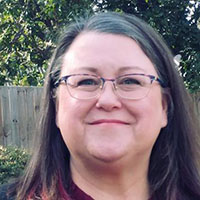 Kimberly Mayer, Ph.D. In her role as UNF's first chief research officer, Kimberly Mayer is responsible for cultivating a strong research environment that aligns with UNF's Strategic Plan areas of focus, overall mission and goals. She works with faculty, staff, fundraising agencies, corporate partners, other universities and labs to advance new research and innovation opportunities. Mayer's previous roles include associate vice president for research development at the University of Virginia, associate vice president for research at the University of Texas at Arlington, executive director of the Rosen Bioengineering Center at Caltech, statewise technology commercialization director for the UNC system through the NC SBTDC and senior research scientist at a successful biotech startup.
-
Jose M. Ramirez, M.D.
 Jose Ramirez, M.D. is the provost at Saint James School of Medicine. His work has included research on intestinal surgeries and reconstruction, treatment and management of gangrene, analysis of appendectomy procedures and other surgical methods. He has taught for 19 years focusing on PDI, Anatomy and BSRC.
 -
Paul R. Sanberg, Ph.D.
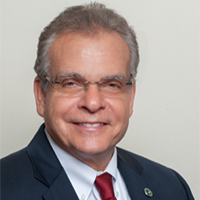 Paul R. Sanberg, Ph.D., M.D., DSC, is a distinguished professor in the USF Neurosurgery Department. He is also the President and Founder of the National Academy of Inventors. Sanberg helped lead the team that demonstrated the use of umbilical cord blood derived cells for neurological disease. His research has advanced understanding and design of pharmaceutical and cellular therapeutics for stroke, Alzheimer's, ALS, Huntington's, Parkinson's disease and Tourette syndrome. Inventor on 167 U.S. and foreign patents, author of over 700 articles and 14 books, with more than 36,000 citations, Sanberg has served on editorial boards of 30 scientific journals and many scientific advisory boards, including NIDA and Johnson & Johnson. He has extensive industry experience as a founder/co-founder of companies involved in cell therapy for degenerative disorders.
 -
Sudeep Sarkar, Ph.D.
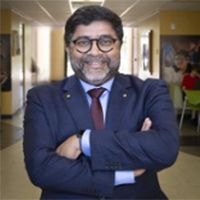 Sudeep Sarkar, Ph.D., is a distinguished university professor and launch (interim) dean of the Bellini College at USF. With over 35 years of experience, he is a leading researcher in computer vision, biometrics, and AI, known for pioneering gait recognition and neuro-symbolic event understanding. He has mentored 47 graduate students, holds 10 patents, and leads $9M+ in funded research. A Fellow of IEEE, AAAS, AIMBE, NAI, and IAPR, he also serves as Editor-in-Chief of Pattern Recognition Letters. His interdisciplinary work spans medicine, engineering, and satellite imaging, with applications in smart environments, robotics, and economic monitoring.
 -
Steven Selders
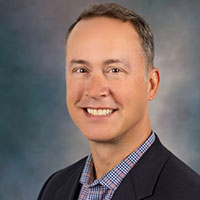 Steven Selders is the Chief Information Office at JEA overseeing the utility’s enterprise business systems, technology infrastructure and cyber security, and providing strategic leadership on new technologies to support the utility’s operations. Selders earned an MBA from the University of Colorado at Denver and a bachelor’s degree from the University of Northern Colorado. He was a founding board member of Smart North Florida, a nonprofit dedicated to improving the quality of life in North Florida through collaboration, data coordination and smart technologies.
 -
Nick Tzanev
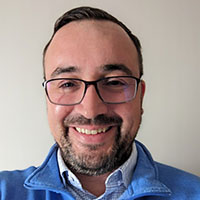 Nick Tzanev is a seasoned technology leader serving as vice president of information technology at Usable Life, where he drives innovation and quality service in the insurance sector. With extensive experience in software development, cybersecurity and IT operations, Nick has a proven track record of enhancing digital employee experiences and operational efficiencies. He holds an MBA from the University of Florida and a BA in Computer Science from Lyon College. His journey in technology began as a web development intern, where he pioneered self-service platforms for the insurance industry. He is passionate about fostering inclusive digital environments and exploring emerging technologies.
 -
Brian Verkamp, Ph.D.
 As vice president of digital strategy and chief information officer, Brian Verkamp Ph.D. provides executive leadership to align technology, artificial intelligence, and digital transformation with the University of North Florida’s strategic priorities, advancing student success, faculty and staff excellence, research productivity, and community engagement. With more than 25 years of experience in higher education, he has led transformative initiatives across technology, artificial intelligence, research, health and learning environments.
 -
Hariom Yadav, Ph.D.
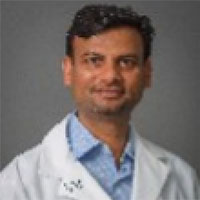 Hariom Yadav, Ph.D., is a professor of neurosurgery and brain repair, was recruited to the USF Health Morsani College of Medicine to direct the Center for Microbiome Research, a key component of the newly launched USF Institute for Microbiomes. The major focus of Dr. Yadav's laboratory is investigating whether and how a leaky gut caused by disturbances in the gut microbiome contributes to the risk of dementia and other age-related chronic diseases such as diabetes, cardiovascular disease, cancer, and dementia. His group also work to develop evidence-based products — probiotics, prebiotics, fermented foods, modified ketogenic diets — that can modulate the microbiome to help prevent the bad effects of an abnormal leakiness in gut.
We are grateful to the Brooks College of Health, Saint James School of Medicine, the National Academy of Inventors, USF Bellini College of Artificial Intelligence, Cybersecurity and Computing, the USF College of Marine Science, USF Center for Microbiome Research, and USF Research Development Institute.