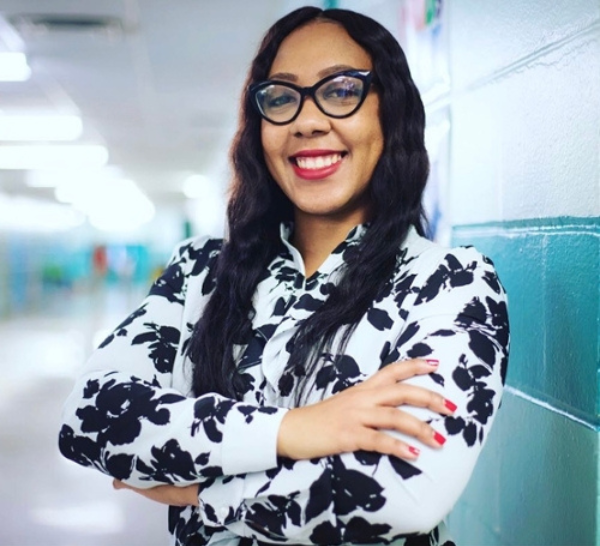
UNF L.E.A.D. Scholars Program
The University of North Florida (UNF) Silverfield College of Education and Human Services proudly supports the L.E.A.D. Scholars Program. This prestigious fellowship is designed to foster exceptional doctoral students who aspire to become leaders in education, academia, and development. The program is committed to preparing scholars for influential roles where they can make significant contributions to educational practice and scholarship.
Scholar Benefits
UNF L.E.A.D. Scholars gain access to valuable mentorship opportunities at the local and national level. Scholars can engage with alumni in academia and leadership roles, benefiting from a robust network of peers. Through the program, scholars have numerous opportunities to present research, publish scholarly work, and receive guidance throughout their dissertation journey. They also participate in professional development and leadership opportunities, ensuring they are equipped to excel in their careers.
Key Benefits Include:
- Mentorship from accomplished educators and leaders
- Opportunities to present and publish research
- A supportive network of fellow scholars
- Professional development in leadership, education, and academic growth
- Resources to navigate the dissertation process and beyond
How to Become a L.E.A.D. Scholar
-
Scholar Requirements
The L.E.A.D. Scholars Program requires active participation from its members. Scholars will contribute in one or more of the following areas:
- Facilitation of Scholarship: Scholars will assist with organizing research presentations and workshops or contribute to research publications.
- Volunteerism: Scholars are expected to participate in service activities that promote positive educational outcomes within schools and the community.
- Networking and Fellowship: Scholars will help foster a community of support among peers through organizing and participating in networking and fellowship activities.
Additional Expectations:
- Scholars must participate in regular meetings and activities with fellow UNF L.E.A.D. Scholars.
- Scholars are encouraged to submit proposals and present research at relevant academic conferences.
- Engage in university-school-community partnerships that promote leadership, education, and academic development.
-
Selection Criteria
The UNF L.E.A.D. Scholars Fellowship selects doctoral students who are historically underrepresented in doctoral programs that also demonstrate a commitment to leadership and excellence in education and academia. Candidates must be actively working toward completing their doctoral degrees and meet the following criteria:
- Be a doctoral student in the field of education from a historically underrepresented background with at least two semesters of coursework completed.
- Demonstrate a commitment to academic and professional growth within the field of education.
- Be actively engaged in areas such as teacher leadership, curriculum development, educational administration, education technology, or counseling.
- Show a strong interest in contributing to the program’s mission through teaching, research, or service.
-
Application Process
Applications will be reviewed by an ad hoc committee from the Silverfield College of Education and Human Services. All documents must be sent directly to David.hoppey@unf.edu by 2/1/2025 at midnight. Notifications will be sent to applicants once the selection process is completed.
For questions regarding the UNF L.E.A.D. Scholars program, please contact Dr. Dione Thomas at d.thomas@unf.edu. A notification will be emailed to applicants as soon as the selection process is completed.
Contact Us!
For questions regarding the UNF L.E.A.D. Scholars program, please contact Dr. Dione Thomas at d.thomas@unf.edu. Notifications will be sent to applicants once the selection process is completed.
Meet the Scholars
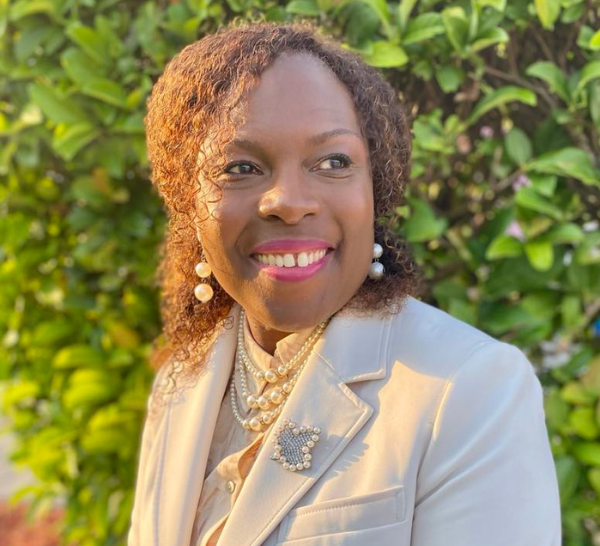
Dunia Jean Batiste
Dunia Jean Baptiste is a third-year doctoral student in Educational Leadership at the University of North Florida. With 27 years of diverse teaching experience in Cumberland County (NC), Department of Defense (Fort Bragg, NC), Harford County (MD) schools, and Florida, focused on students in intensive reading. She holds a bachelor's degree from Russell Sage College, and a master's degree from the State University of New York at Albany, in Public Administration. Her teaching certification is from Fayetteville State University. Her research interests include the success and challenges Black males face in intensive reading programs, as well as supporting educators to engage in positive and proactive parent communication. Her dissertation is titled "Lived Experiences of Black Male Students in Intensive Reading: A Phenomenological Study.”
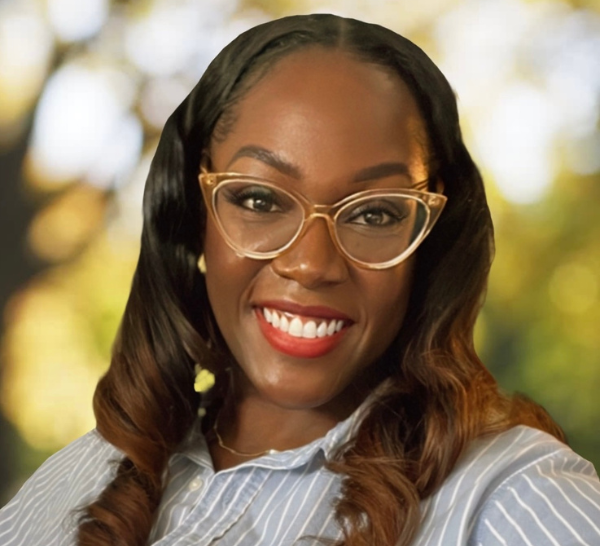
Artrice Johnson
Artrice Johnson is an instructional leadership coach and doctoral candidate in Educational Leadership, with a focus on the evolving intersections of artificial intelligence, policy, and equity in K–12 education. With extensive experience supporting school districts across multiple states, Artrice partners with educators to elevate English Language Arts instruction and drive strategic innovation in teaching practices through coaching school administrators and district leaders. Her current research explores how key K–12 stakeholders perceive and engage with AI in classroom spaces, with an emphasis on digital equity and the TPACK (Technological Pedagogical Content Knowledge) framework. A passionate advocate for culturally responsive and future-ready learning environments, Artrice also supports community-based initiatives that introduce young learners—especially girls and underrepresented groups—to emerging technologies like robotics and generative AI. Whether coaching, researching, or creating, Artrice is committed to empowering educators to confidently navigate and shape the future of learning.
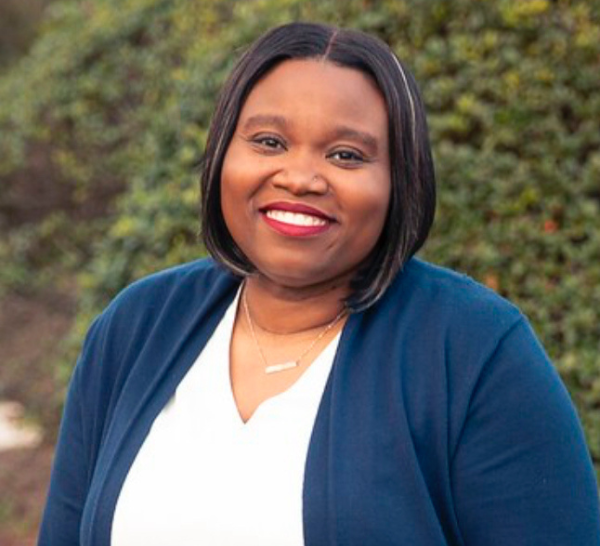
Sheryl Patterson-Coulibaly
Sheryl Patterson-Coulibaly is an educator, mentor, and emerging scholar whose work resides at the intersection of research, advocacy, and empowerment. Currently pursuing her Doctor of Education in Educational Leadership at the University of North Florida, she focuses her scholarship on creating spaces of belonging for marginalized populations, with a particular emphasis on Black women navigating professional educational environments. Sheryl employs Narrative Inquiry as her primary research methodology, allowing her to delve deeply into personal stories that that illuminate broader systemic issues. This approach enables her to critically examine systems of power while amplifying the lived experiences of those historically marginalized. Her work explores themes of identity, labor, resilience, and representation, engaging with personal narratives to offer alternative perspectives and promote individual agency.
Meet the Alumni
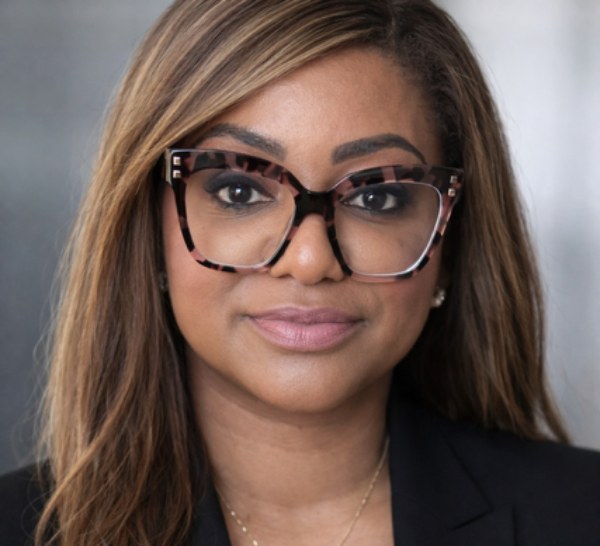
Crishana Benton
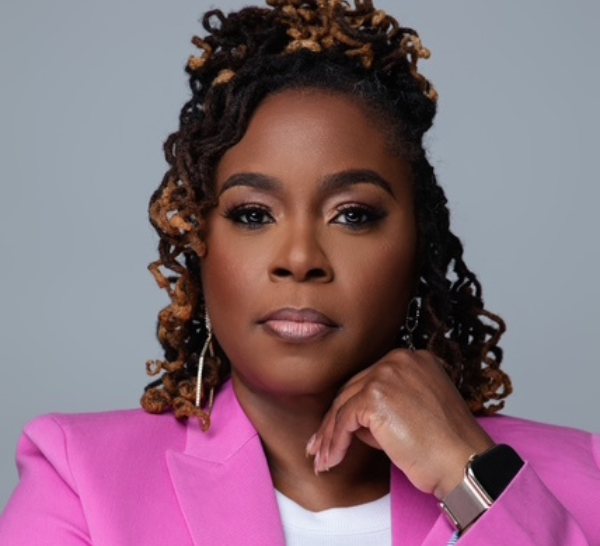
Easter Brown

Shaneka Ferrell
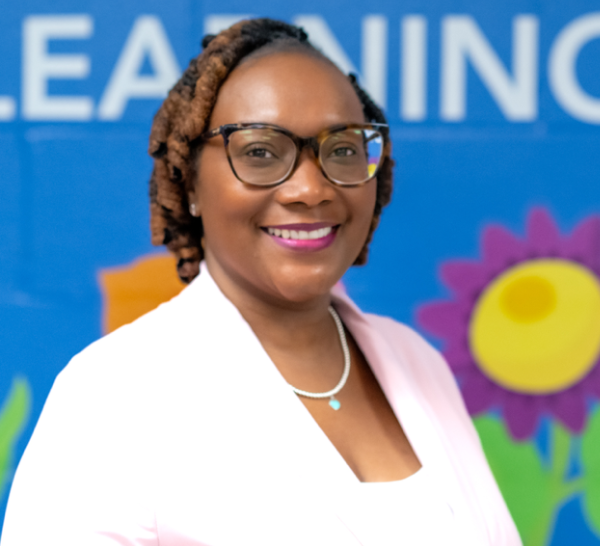
Tiffany Green
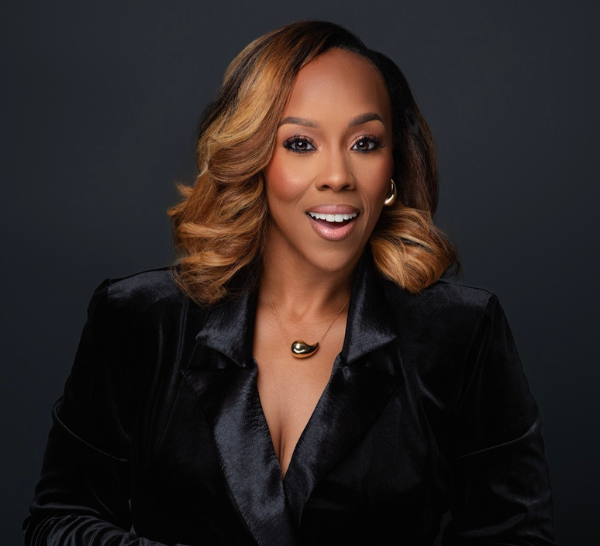
Stephanie Jackson
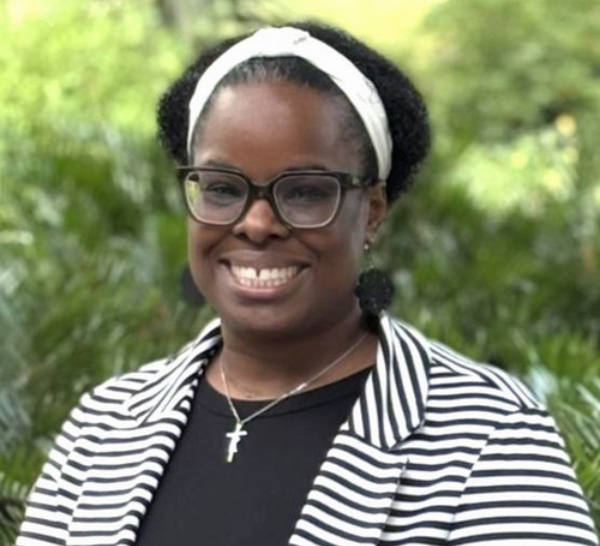
Marlena Jenkins
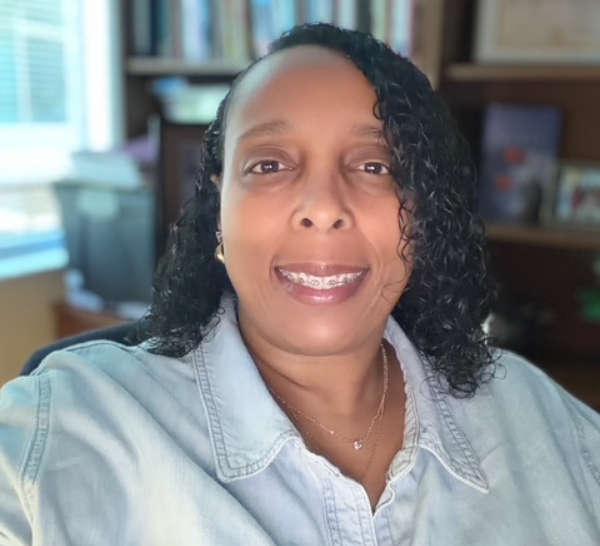
Jeania Jones
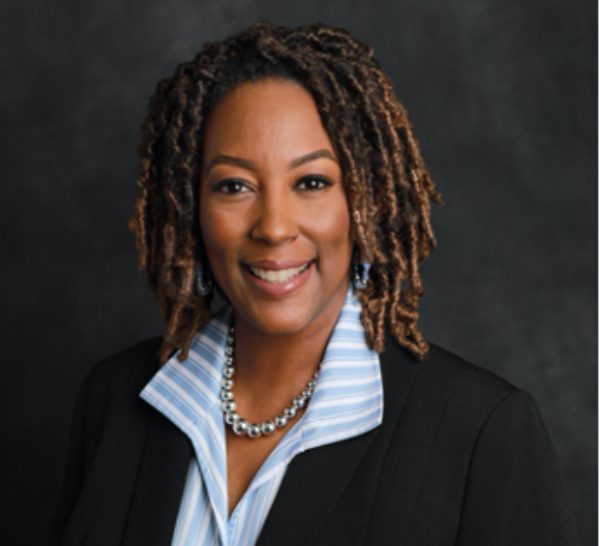
Shaundricka Medlock
Crystal Parker
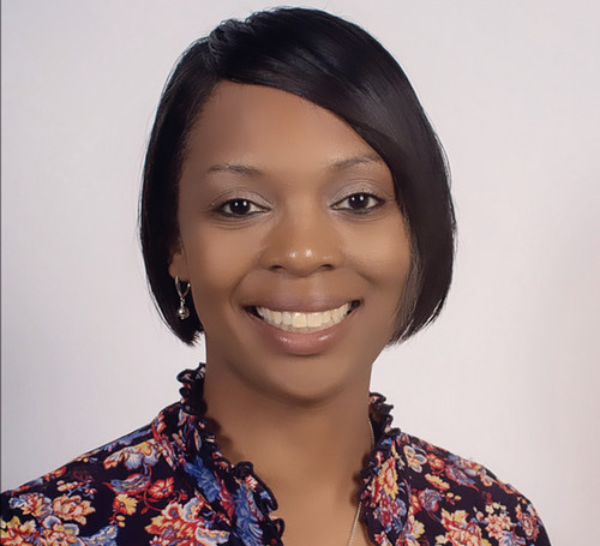
Talya M. Taylor