
Past Projects
-
Accessible Classics: Digital Adaptations for People with Reading Difficulties
María Ángeles Fernández Cifuentes, associate professor of Spanish
“Accessible Classics” is a student collaborative project that aims at making classic literary and educational texts accessible to people with reading difficulties. The project relies on the premise that access to reading is a universal right and that inclusive education can erode the borders that segregate communities and individuals.
The project launched with bilingual adaptations of Spanish literary texts (Don Quixote --an abridged version--, The Lay of the Cid, and Lazarillo de Tormes), which follow both the International Federation of Library Associations and Institutions (IFLA) guidelines and the Inclusion Europe Standards. The multimodal format of the project, which combines images, texts, audio, and video, acknowledges the plurality of literacies and its vital role in promoting inclusiveness. Besides employing traditional methods such as “close reading”, students work on the adaptations with the aid of computational text analysis, data visualization, and stylometry.
-
Breaking the Code: Analyses of Mistaken Identification Cases in the Innocence Project
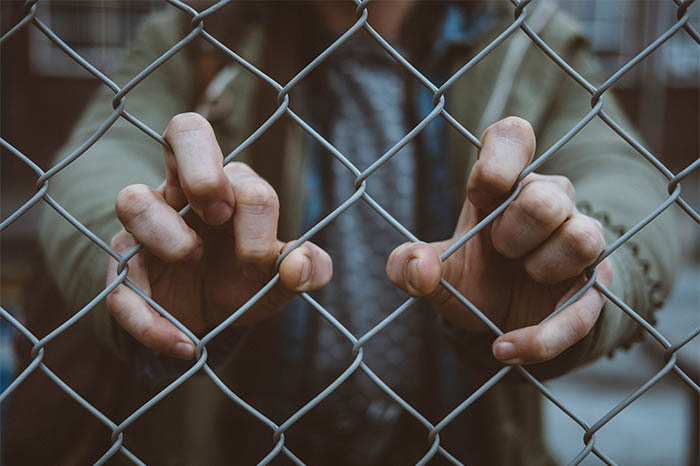 Since its establishment in 1992, The Innocence Project exonerates the wrongfully convicted through DNA testing and helps identify and reform aspects of the criminal justice system that contribute to erroneous conviction. It serves as a digital repository of individual cases of the wrongly convicted. The Innocence Project broadly categorizes six factors that led to these wrongful convictions: (a) eyewitness misidentification; (b) misapplication of forensic science; (c) false confessions; (d) government misconduct; (e) incentivized informants and (f) inadequate defense. Mistaken identification at about 70% is by far the leading cause of erroneous convictions. The present study examined and continues to examine the Innocence Project case index to focus on specific cases involving eyewitness error by establishing a system of coding variables to better understand what factors precipitated the wrongful convictions. The coding and the analysis of the cases included:
- Best practice recommendations (lineup instruction, lineup presentation, lineup administration, confidence statement following a positive identification and other system variables which are factors that the criminal justice system has control over)
- Estimator variables as exemplified below which are factors which the criminal justice system cannot control and must therefore only estimate
- Legal safeguards designed to protect innocent people from erroneous conviction (attorney presence at lineup, cross examination, judge’s’ instruction, presence of a motion to suppress)
- Individual characteristics (such as intelligence level, age of witness and defendant, mental illness, intoxication, and developmental disability)
We report some data in these four areas, however in particular, lineup presentation type (simultaneous vs. sequential vs. show–ups) and estimator variables (e.g., lighting, disguise, weapon focus, and cross–race) are examined and presented in the contexts of empirical findings from the eyewitness literature and theoretical approaches regarding human memory such as fuzzy trace theory.
In addition to examining these variables, we will continuously be in touch with the staff at the Innocence Project regarding our findings that are grounded in memory theory (the basis for mistaken IDs). Implications of our data will be discussed as ways to support social justice and reforms and will be leveraged we trust to help prevent future injustices.
Future plans in this venture will also involve the presentation of our findings digitally in a web page format in which we will utilize graphic visual representations of our data in a way that presents information clearly. This will enhance the viewer’s ability to see the patterns and trends of our findings and will assist in furthering our ability to publicly report our findings and thus aid in the prevention of wrongful convictions.
 Project leader
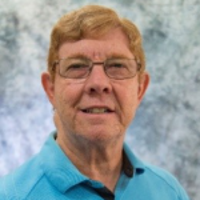
Dr. Michael Toglia is a Professor of Psychology at the University of North Florida where he served as Department Chair for seven years. From 2003–2011, he was Executive Director of the Society for Applied Research in Memory and Cognition. Consistent with his teaching assignments, he has published extensively on topics concerning adult cognition and issues addressing lifespan themes in eyewitness memory and testimony. He has authored/edited 11 books, most recently The Elderly Eyewitness in Court. He consults/testifies in court cases concerning memory suggestibility and lineup identification. Dr. Toglia has considerable experience peer reviewing journal submissions and edited chapters, was an Action Editor for Memory, and is currently on the editorial board for Applied Cognitive Psychology. He secured a grant to visit Mexico in 2011 as a Fulbright Senior Specialist. He holds Fellow status in 5 professional societies, including Divisions 3 (Experimental), and 41 (Psychology and the Law) of the American Psychological Association.
 Student Collaborator
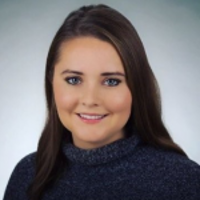
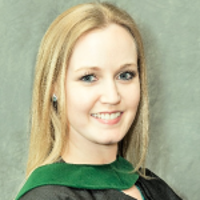
Celeste Glober was born and raised in Jacksonville, Florida. She attended the Episcopal School of Jacksonville before heading to Wellesley College (graduating in May, 2016). As a psychology major at Wellesley, Celeste served as a research assistant, where she worked on a longitudinal study that evaluated female leadership. Her role as a research assistant included helping gather, index, and analyze data, along with presenting the results at a prominent research conference. During and after college she interned at several law firms, and was a teaching assistant for a Psychology of Law course at Duke University for an intensive summer program. Celeste furthered her involvement in the field of psychology and law during the 2016–17 academic year at UNF on a post baccalaureate basis, by serving as a Research Assistant with Dr. Toglia, where her projects included assessing the veracity of eyewitness memory, and wrongful convictions in the Innocence Project. She will attend law school in fall 2017.
 Student collaborator
Alexis Lovaas was born and raised in Jacksonville, Florida. She attended Mandarin High School until graduating in 2003 and from there received an Associate’s degree at Florida State College at Jacksonville in 2006. From there, she moved to Indianapolis and attended Ivy Tech Community College to pursue a degree in Radiologic Technology. After moving back to Florida and working as a mammographer for several years, she decided to go back to college to pursue a Psychology degree at UNF. She plans to graduate with a Bachelor of Science in Psychology in the Spring of 2018 with plans to apply to UNF’s Master’s of Science in Psychology program. This will allow her to apply her research knowledge in becoming a Market Researcher. Currently, she is the lab manager for Dr. Toglia’s cognitive lab and has been recently involved in his work with the Innocence Project.
Photo by Mitchel Lensink on Unsplash
-
Building a Digital Archive of Haitian Folktales within the Haitian Diaspora
“Building a Digital Archive of Haitian Folktales within the Haitian Diaspora” is a community-based project that centers around preserving the oral cultural heritage of Haitian immigrants. The project focuses on collecting folktales from Haitian communities in regions such as Jacksonville, Miami, New York, Boston and Montreal. The project, then, endeavors to link these diasporic communities through the sustenance of oral traditions. The aim is to create an oral archive of Haitian folktales that will be available for future generations and scholars.
 Faculty Project Leader
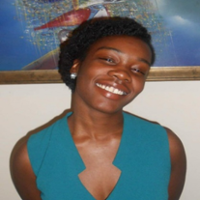
Dr. Marie Larose is an assistant professor in the Department of Languages, Literatures and Cultures and Africana Studies. Her research focuses on 20th and 21st century Francophone literature specifically from France, the Caribbean and Mauritius. Her work applies theories from gender, postcolonial, Black, disability, psychoanalytic, popular culture, and literary critical studies to explore the intricate links between violence and genealogy in the works of female writers, including Marie NDiaye, Kettly Mars, Marie Vieux-Chauvet, Ken Bugul, Marie-Célie Agnant, and Ananda Devi.
-
Creative Criticism
 Literature scholars dedicate themselves to the study of language because we appreciate the power and value of beautifully crafted words. Yet, much writing by literary scholars is dry, dense, and jargon-laden. For a short while, Philosophy and Literature even hosted a “bad writing contest” to draw attention to this fact. UNF’s “Creative Criticism” initiative promotes a more thoughtful approach to literary knowledge production. Pieces shared in this space will create new knowledge about literature, paying close attention to aesthetics, form, and content, while pushing or defying the generic expectations of the traditional academic essay. These student projects will either examine a work of literature or that use literature to examine something else in the world: the writer’s own life, a historical moment, the concept of language itself… the possibilities are manifold.
While creative criticism has become an increasingly recognized approach to literary study in recent years, there are still very few opportunities for writers to share creative and analytical work with a wider audience. This project within UNF’s Digital Humanities Initiative allows student writers to share their careful undertakings with a broader public beyond our classroom walls. In this process, this project also aspires to encourage literary scholars around the world to play with form, to energize their prose, to question conventions, and to make new literary knowledge exciting again!
 Project Leader
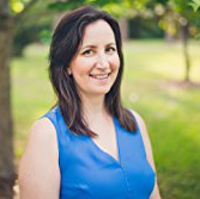
Jennifer L. Lieberman is an assistant professor of English. An interdisciplinary teacher-scholar, she specializes in American literature and culture, science and technology studies, gender and women studies, and critical pedagogy. Her first book, Power Lines: Electricity in American Life and Letters, 1882-1952 was published by MIT Press in 2017. She is currently working on a new project about incarceration, technology, and literature that grows from her years of experience in prison education outreach. Her writing has been inspired by creative-critical organizations, including a group at Cornell University called HAW! (Historians Are Writers). By initiating this project, she aspires to demonstrate that humanistic knowledge can simultaneously be sophisticated and creative. For more about Dr. Lieberman, visit http://www.jennilieberman.com/
-
Digging into Human Rights Documents
The objective of this research project is to develop a software toolset that mines a large set of unstructured text archives of human rights abuses. The software tool is designed to discover stories of hidden human rights victims and unidentified perpetrators. These stories do not exist in one document, but as fragments of text embedded across multiple documents. Thus, these stories can be identified only when reading across a large number of related documents. The current approach of manually reading to identify such stories is extremely tedious, time consuming, unsystematic, and error-prone. Human readers find it difficult to correlate the identity of victims, perpetrators, and details of abuse that reside across multiple documents. Thus, success of this project has large implications for the human rights community, as currently there is a lack of adequate tool support for automatically reading and identifying stories from large-scale unstructured text document sets.
 Technical Advisor
Karthikeyan Umapathy is associate professor of Information Systems at UNF. His research focuses on the design and development of complex information systems, the analysis of web service standards, and the empirical investigation of the processes through which IT standards are developed. In his teaching, he seeks to create real–world service learning opportunities for his students beyond the classroom.
-
Digitally Mapping the Letters of Dr. Ansel Brooks Smith
This project uses Geographic Information Systems (GIS) to create a digital map based on the spatial and non-spatial information included in the letters of Dr. Ansel Brooks Smith, an American doctor who was stationed in France and Germany towards the end World War I. This map will include indicators of all of the locations extracted from his letters (1917–1919), which are held in Special Collections and Archives of the Thomas G. Carpenter Library. Brooks was ??. The project will incorporate images of the archival materials, as well as links to the corresponding documents on the UNF Digital Commons website, where users can read Dr. Smith’s letters themselves, allowing for a more immersive experience of this piece of history.
 Project leader
Joleen Stahl is a senior at UNF majoring in English and minoring in Digital Humanities. She is from Walla Walla, Washington, and relocated to Jacksonville in August 2013 when her husband was stationed at NAS JAX. The involvement of her husband in the military, as well as of many other friends and family members, first inspired her to learn more about the military history that is featured in this digital mapping project. After graduation, she plans to pursue a master’s degree in Digital Humanities and possibly Library and Information Science as well.
 Faculty mentor
Dr. James P. Beasley teaches courses in rhetorical theory, history, and research at the University of North Florida. His work has been published in College Composition and Communication, JGE: The Journal of General Education, Enculturation, and Rhetoric Review. His 2010 essay, “Demetrius, Deinotes, and Burkean Identification at the University of Chicago” won the Theresa J. Enos Award for the Best Essay of 2010 from Rhetoric Review. His book, Rhetoric at the University of Chicago, is forthcoming this year from Peter Lang Publishers.
-
Enciclopedia del Glitch Latinoamericano
Andrea Adhara Gaytan Cuesta, assistant professor of Spanish and English
The term glitch, according to Rosa Menkmann, refers to “states of aggression, unaccepted sounds, disturbances.” As Menkmann explains, glitches “[a]re not a message, they don’t define, but, as silences, they can be used to re(define) its opposite, they exist as a regenerative device” (2010). Undesirable and inconvenient, the glitch allows the machine to do a performative act in the work of art, by showing its own imperfections.
In Latin America, from the late 1990s until now, we have participated in what Mónica Delgado calls a “culture of glitch.” Most of our film consumption, she argues, from Argentina to Mexico, has been through an informal market that began with pirated Betamax and VHS videos, then copies of black-market DVDs, and most recently, illegal downloads of movies as digital files.
During this time, the glitch has evolved from being an unintentional imperfection to be both an aesthetic concept and a deliberate technique that allows creators of experimental movies and short documentaries to playfully manipulate film for rhetorical purposes, usually as a form of social and political critique. The ludic character of these visual creations centers the filmmaking process itself and reclaims inferior production values as an essential part of the final product. Some of these shorts reinterpret classical films, like Sergio Pinedo’s Volivia, (2014, https://vimeo.com/105923299), or the work of the Peruvian Illich Castillo in Qué tan lejos está el triunfo de la voluntad (https://vimeo.com/45901553). Other experimental filmmakers appropriate, combine, and alter material from YouTube, such as the Venezuelan short Se los bailan a todos/ Follow your leader (2014, https://vimeo.com/100649085) by The Dataïsts, Maggy Almao and Antoine Marroncles, which parodies world leaders through manipulated footage of them dancing. The recovery and reinvention of Indigenous cultural tradition is also of interest of some filmmakers, as evidenced, for instance, by Oscar Nodal’s short Codex Remix (https://www.oscarnodal.com/works), a short film that uses pop culture elements to engage with and reinterpret the Codex Fejervary Mayer, a rare pre-Hispanic pictorial manuscript.
-
Electronic Dance Music Culture Communication Transition through Social Media in North America
The project aims to link the past modes of communication utilized by participants in electronic dance music (EDM) club cultures and subcultures to the current practice of using various social media platforms as a means of information conveyance about musicians, producers, DJs, events, and industry-related news. It will attempt to determine to what degree social media platforms influence electronic dance music culture (EDMC), the positive and negative effects social media have on EDMC, and whether the transition to digital communication modes is absolute. Finally, it will pose the question as to whether any further research on social media usage among EDM fans will be or has been performed since the recent media consensus that the mainstream EDM bubble has burst, and that North America is on the precipice of a post-mainstream EDM future.
 Project Leader
Eden Shurman has been a fan of electronic dance music since 1990 and began DJing shortly thereafter, working their way from grade-school parties to nightclubs. Always a reader, Eden has amassed a library of some of the most highly- regarded texts on the general study and ethnomusicology of electronic dance music culture (EDMC). After spending many years working in the realm of federal tax law, they now strive to further their EDMC research by spending more time in the field, and eventually getting published.
Faculty Mentor
Dr. Margaret C. Stewart is assistant professor in the UNF School of Communication. She teaches a wide range of courses including Public Speaking, Interpersonal Communication, Small Group Communication, Mass Media, and specialized courses in social media. Her research in the area of social media and emerging communication technologies mainly focuses on military-affiliated and sports-athlete populations. To date, she has published academic research manuscripts in Communication Reports, The Journal of Technologies in Society, The Journal of Communications Media, and Computers in Human Behavior.
-
Exploring the Role of Emerging Communication Technology in 21st Century Veteran Education
 Exploring the role of emerging communication technology in 21st century veteran education sets out to explore the role and possible benefits of utilizing emerging communication technology, such as social media and mobile devices, to enhance the educational experience for military veterans in the college classroom. By examining these variables within the context of Social Capital Theory (Putnam, 1995), this project seeks to gather descriptive information regarding the potential value of using communication technologies in order to better support the transition of military veterans from the battlefield to the classroom. Existing research already boasts a positive correlation between the use of social media and how the students describe the overall quality of their educational experiences, and contend that social media encourages greater student control, agency, and empowerment over their learning processes (McLoughlin & Lee, 2010; Rutherford, 2009). As such, in gaining an understanding of how social media, mobile technology, and related communication tools can be used within a college environment and then combining that knowledge with the unique needs of military veteran students, the goal of this project is to present a series of recommendations on how communication technology contributes to items such as citizenship, reciprocity, establishing networks, participation, norms, and trust among veteran students and their instructors and peers in the classroom. Further, this data will be used to establish strategies for practical uses of these technologies in a learning environment that can serve military-affiliated students and their peers alike. Once these guidelines are posited, next steps to further evaluate their effectiveness will be determined. As a final goal, formulating a list of ‘best practices’ for utilizing communication technology to create, support, or enhance a military-friendly learning experience will be achieved. Faculty Project LeaderMargaret C. Stewart
 -
Henry DAvid ThoReau: An Augmented Reality Critique
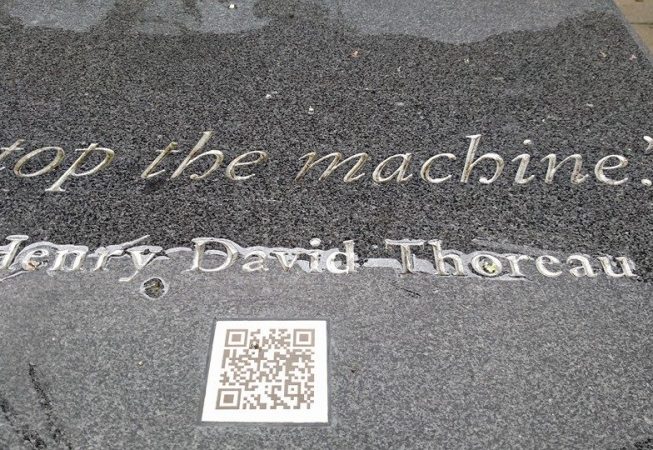 This past fall, the English and Art Departments of the University of North Florida dedicated a new sculpture in the UNF Peace Plaza, the Henry David Thoreau Table for Civil Disobedience. In the website description of the Thoreau Table, Dr. Jason Mauro writes, "Thoreau warns us that every institution, including our own University, is in danger of passively and invisibly doing violence to even its most sacred principles, and this monument and the essay it celebrates stand as a reminder that the strongest institutions are the ones that continually question their own virtue." As a monument to civil disobedience, the Thoreau Table is a physical reminder of our necessity to constantly question ourselves and the world around us. In this spirit, the students of ENC 4930 Network Culture constructed what media scholar Gregory Ulmer calls a MEmorial, or an electronic monument around the Thoreau Table and its dedication ceremony. Utilizing the Augmented Reality program Aurasma, these students embedded photographs of many demonstrations of peaceful social protest into the trigger images around the UNF Peace Plaza. The continuation of this augmented reality critique is based on Mark Swarek's "Occupy Wall Street AR," which invites anyone to send in their social protest picture to be placed electronically at the New York Stock Exchange. In our case, anyone would be invited to share their protest picture, whether it be student, faculty, staff, or administration to be electronically placed at Thoreau's Table.
 Project Leader
James Beasley
-
Hub + Hive: tinkering with data collection, matrix and printmaking
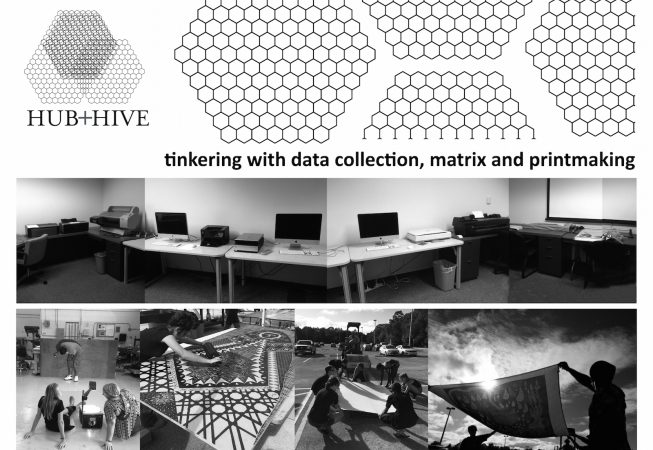 Students from Art & Design will laser-cut, engrave, and tinker with computer-generated and photographic data onto different materials and develop an archive of printing plates, screens and blocks; Such matrixes will be printed using traditional and contemporary printing processes. Students will explore and document printing results and both matrixes and prints will compose a library of resource material available for future investigations.
Research data from other departments will be solicited via e-mail and social media. Students will tinker with the information, phenomena, tools and materials and create multiples that will be the mediators between scientific and creative research.
Using our newly developed Digital Printmaking Research Lab students will create positives and transparencies to transfer images on screens, blocks or for photolithography and photo etching plates; Along the exploration of matrixes for lithography, intaglio, screen-printing and relief we will examine inking techniques to print such matrixes and investigate numerous substrates for the printed image.
The complete research process will be published in XYZ, a digital and hard copy handbook. XYZ will present comprehensive introduction to transferring hand autographic markings, computer-generated and photographic data to traditional matrixes. In the near future we hope to add a laser engraver to our lab and include laser-cut and engraved images onto different materials and explore contemporary post digital matrix making methods.
This proposal closely aligns with the new Digital Humanities Initiative as students and collaborating faculty will tinker with various exploratory printmaking processes and hybrid technologies.
Printmaking is a developing culture that embraces new and old technologies and has always been mediated by the dimensional topography of its matrixes and the surface of printed substrates. XYZ will be a significant tool both technically and conceptually that will explore image making from the pencil to the pixel; from vector based software to new spatial and dimensional frontiers.
 Faculty Project Leader
Sheila Goloborotko
-
Initiating ZooMAP: the Zooarchaeology of Mycenaean Artisans Project
Jacqueline Meier, associate professor of anthropology
"Initiating ZooMAP" is a project that aims to combine archaeological and digital analysis methods to elucidate how animal and human lives of the Mycenaean people in ancient Greece were connected to those of the wider Mediterranean region during the Late Bronze Age.
For the initial phase of this project, undergraduate students will collect and visualize a variety of data in map form, including animal symbolism evidence, ancient texts about herds and sacrifices, and evidence of the animals that lived and were used at the sites based on the remains of the individual fauna. With this data, students will decenter the perspective of human-animal interactions at Mycenae, which is currently largely based on exceptional finds of animal art in elite contexts. Ultimately, the online publication of the repository as an open-access webpage will encourage others to address a variety of anthrozoological questions using the assembled information. Understanding human-animal interactions during a time of unprecedented inter-regional connectivity in prehistory will lead to a better understanding of the processes that led to increasing globalization and the associated environmental crises of the current day.
-
Mapping Hispanic and Black Bilingual Jacksonville in the Late Nineteenth and Early Twentieth Centuries
This project proposes an interactive digital map to document the constitutive presence of, and interactions between, Hispanic and bilingual African American communities in Jacksonville, Florida, during the late nineteenth and early twentieth centuries. The map will offer a visual interface into related textual material (e.g., material connecting Jacksonville to canonical works of Cuban and U.S. literature), archival documents, and photographs that, for the project’s first phase, will be based on prior peer-reviewed research. The general purpose is to help users view the city and its cultural history differently. At the same time, the ongoing development of the project is meant to invite further faculty-supported student research, participation by members of the local community, and collaboration with scholars in Hispanic and Africana Studies at UNF and beyond.
With the support of the Digital Humanities Institute and Center for Instructional and Research Technology at UNF, the interactive map of Hispanic and Black Bilingual Jacksonville in the Late Nineteenth and Early Twentieth Centuries will be accessible via a website built using Omeka Classic and the Neatline mapping plug-in. With these or similar tools, this project will propose to associate individual items—documents, images, recordings—and exhibits—interpretive essays and similar—to geographical locations and display them on the map.
 Faculty Project Leader
Greg Helmick works on configurations of nationhood, ethnicity, and cultural contact, between Cuban, Puerto Rican, and the U.S. communities—particularly African American and non-Spanish-speaking Caribbean communities—in textual production in Spanish and English. In Cuban and Puerto Rican literature, such contact is developed thematically in historical fiction and essays that complicate archival configurations of nationhood and exile with the ‘noise’ of documentary flows between Caribbean communities and U.S. sites of multistoried colonization. His current book project focuses on documenting shared literary and historical production between Cuba and northeast Florida during the first half of the twentieth century, in the face of erasures incurred during Plattist, Jim Crow, Fordist and Batista-era social regimes.
-
Mapping International Metal
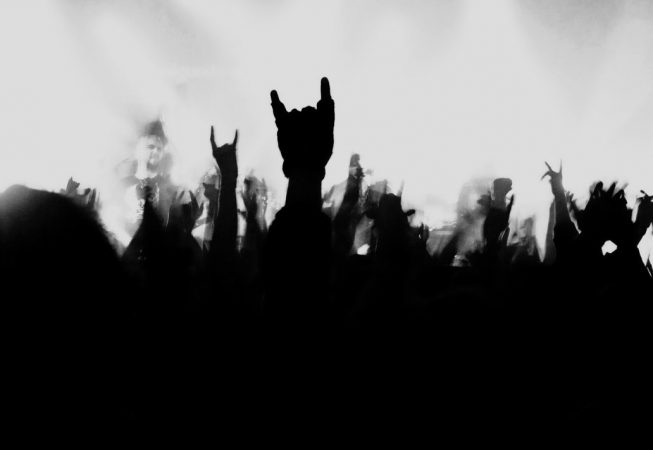 Music lives on a highly international spectrum. However one can forget that it includes all genres. As western ideals of music have developed, so too has an elitist attitude toward popular genres. The early 1960s experienced a huge growth of popular music. This was largely attribute to the growing genre of rock n roll. The major groups of this time created the archetype of the rock band. This includes loud rebellious and dangerous music. The end of this decade began the trend of heavy metal, born from advancements in music technology and dissatisfaction with the social climate of the era. Since then, metal has been replicated across many different cultures and has become an all–encompassing genre of international music. In this project, I will explore the geography of the top 100 metal bands map worldwide, tracing the focus of their tours and plotting the locations of their major fan–bases using the Arc GIS program. I hope to show the scope of the metal genre on the world and explain key concepts within the genre that are widely misunderstood.
 Project Leader
Sarah Elizabeth Redlhammer is a senior pursuing a dual degree at the University of North Florida. Her majors are in International Studies with a focus in European studies and Classical Vocal Performance. Her research interest vary from music history to vocal health. She has performed in various shows around the state of Florida and enjoys analyzing German lied. She is hoping to complete an internship with the Digital Humanities program relating to international metal music. Sarah hopes to graduate in the spring and pursue a master’s degree to become a Singing Health Specialist.
Faculty mentors:
Chris Baynard, associate professor of geography and GIS
Clayton McCarl, associate professor of Spanish and director, International Studies Program -
Native Sun: The Flora of Sawmill Slough Preserve
 Native Sun: The Flora of Sawmill Slough Preserve is a research project that centers on the plant life found within the Sawmill Slough Preserve on UNF’s campus. This body of work utilizes a photographic process called lumen printing to create a unique record of flora samples collected within the preserve. The lumen printing process results in imagery that is neither purely scientific, nor purely aesthetic, which pushes the boundaries of both science and visual art. This project fits within the Digital Humanities Initiative, because one key project outcome is the creation of a digital archive of the images paired with the scientific and common names of the plants found in the preserve.
 As our culture advances, citizens will be challenged to redefine their relationship to the natural world. Ecological literacy is increasingly necessary to understand the implications of a radically changing environment, and for artists, engaging in the aesthetics of nature are how we add to this critical dialog. The Sawmill Slough Preserve, a 382–acre wetland and woodland habitat situated within the UNF campus, provides a unique opportunity for our campus community to engage with these issues. Great work is underway by members of the scientific community; however, a large–scale aesthetic record of the slough does not yet exist. Native Sun: The Flora of Sawmill Slough Preserve creates such a record, and it establishes the preserve as a living laboratory for creative and scientific practice that future students and scholars can build upon.
To view the project, see: Native Sun: The Flora of Sawmill Slough Preserve.
 Project Leader
Kally Malcom is a photographer whose work and research explores place, personal history, and identity. Her images employ a range of photographic processes and move between the studio and the natural world. Selections from her recent work have been exhibited nationally and internationally, including Workspace Gallery in Lincoln, Nebraska; the Schneider Museum of Art in Ashland, Oregon; Northlight Gallery, in Phoenix, AZ; Marion Center for Photographic Arts in Santa Fe, NM; and the PH21 Gallery in Budapest, Hungary. Her images have been published in F–Stop Magazine, The Hand Magazine, WPR Wisconsin Life online, and the Huffington Post. Kally’s photographs are held in numerous private collections throughout the United States. Kally holds an MFA from New Mexico State University. She is an Assistant Professor of Photography at the University of North Florida.
-
OER-Immersive Multimedia Materials Project
María Ángeles Fernández Cifuentes, associate professor of Spanish
Johana Barrero, associate instructor of SpanishThe OER-Immersive Multimedia Materials Project project aims at the design and development of Open Educational Resources (OER) in the classroom as a model to integrate community-based learning and undergraduate research in lower and upper-level courses of the Spanish Program at UNF. It specifically involves the design of immersive educational materials with a focus on Virtual Reality and reading accessibility. The adaptability of digital technology becomes a key element of our project within the context of the emergence of new learning modalities that place accessibility at the center stage of educational innovation. This project is associated with “Accessible Classics: Digital Adaptations for People with Reading Difficulties”.
-
Oral History of Jacksonville’s Historically Black Religious Communities
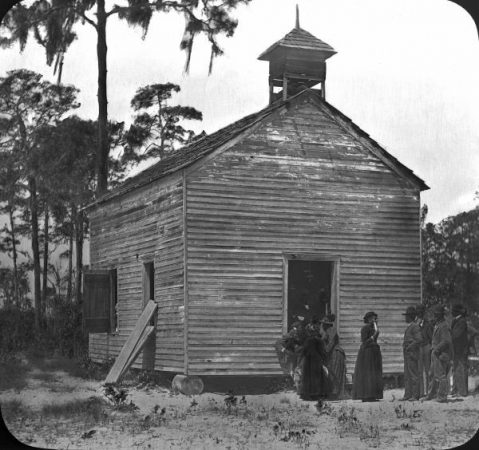 This digital humanities project aims to support the historical memory efforts of the region’s historically black religious communities by connecting UNF students with congregations. Within the context of a class on African-American Religions, students will interview members, creating historical documents that will be digitally archived at the UNF Thomas Carpenter library. The goal will be to capture the range of religious expression in these communities and to capture the complex intersection between religion culture and political life. This project has the potential to expand to numerous religious communities, and to grow over time.
 Faculty leader
Dr. Brandi Denison is an assistant professor in the Department of Philosophy and Religious Studies at the University of North Florida. Her research and teaching interests include American Religious History, specializing in the American West with particular attention to American Indian Religions. She is interested in the intersection of land, race, and religion, as well as gender, violence, memory, and theories of religion. Her book Ute Land Religion in the American West is a narrative of American religion and how it intersected with land in the American West. She is active in the American Academy of Religion, where she co-chairs the Religion in the American West group, a new AAR group that she helped propose. She is also on the steering committee of the Religion, Colonialism, and Postcolonialism group. Dr. Denison is also the editor for Religion Compass.
 Student collaborator
Imani Philips is graduate student studying history. Some of her academic interests include the development of museums and zoos, art history, and national identity. Her current job as assistant office manager at the Jacksonville Historical Society allows her to see a different side of historical institutions and nonprofits outside of her previous archival internship. Imani hopes to work with other historical institutions to gain more experience.
-
Refreshing Museum Signage
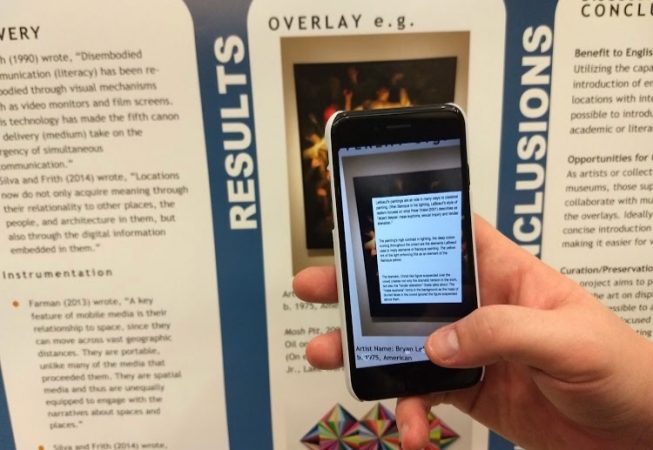 This project aims to refresh and adapt the current museum signage into the digital age, as well as addressing issues that are presented by current usage. Often, context that is important to understanding the art piece is lost in the four lines museum add next to the art. Using digital signage via the augmented reality (AR) app, HP Reveal, this project aims to create contextual overlays that can offer necessary contextual information for audience members who may not have otherwise sought outside information prior to viewing the art. With this project and the subsequent implementation of AR, an engaging environment will be created which refreshes signage within museums to not only be more educational, but also involve the audience in a more personal and unique way that will be more memorable due to their engagement. With AR the audience member never has to fully remove their focus from the art, instead the information will be placed directly over the art they are looking at, erasing the necessity for outside research. This project focuses primarily on the erasure of barriers to entry presented by present signage and techniques which are implored by museums. One of the issues this project is attempting to fix in the realm of AR itself is the difficulty in creating augmented reality overlays with the HP Reveal app for three-dimensional art such as statues, and art work such as the massive works of Monet that wouldn’t fit into a single frame for the app to create a consistent overlay. As a this could become a problem in a museums that contain more modernistic art that embraces the use of 3D space, this project would move to fill these errors by the inclusion of areas marked on the floor for audiences to stand. While this seems counterintuitive to a project that works on refreshing museum signage, hopefully this will be a more engaging and captivating activity that focus on locomotive discovery, rather than visual.
 Project Leader: Leonardo Paley
I am an English and Film student at the University of North Florida. My preferred academic focuses are working to make English and film academia more inclusive of newer forms of media, as well as more modern works in both the literary and film world that are often viewed as “lesser.” Many academic worlds create unnecessary barriers to entry, and I would like work towards removing these barriers or focus on ways to increase overall accessibility. Through this project and others, I intend to focus on de-stigmatizing the worlds of academia by concentrating on things such as getting rid of unnecessarily complicated rhetoric, making access to academic works more accessible, erasing barriers of the art world across mediums, particularly those in museums and film, and a general attention to socio-, economic, and perceived skill-level inclusion throughout academia, English, and film.
-
Remembering Brooklyn Forward
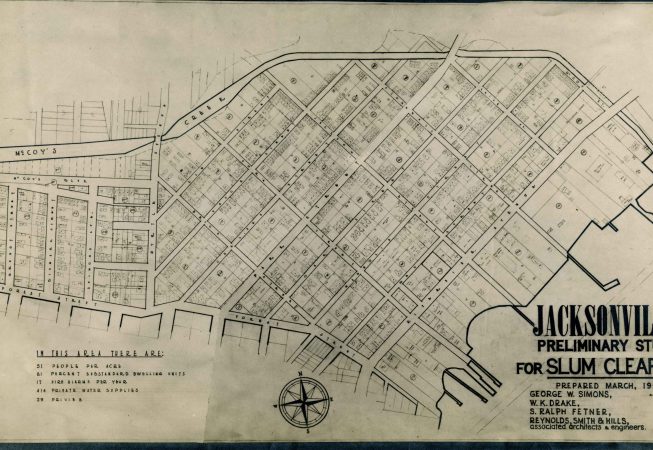 Many historic neighborhoods in Jacksonville are changing. Gradually, commerce is taking over neighborhoods that once had varied cultures – often without considering the needs of the surrounding population. One such place, the neighborhood of Brooklyn, located in Riverside, has been undergoing this change over the past decade.
 “Remembering Brooklyn Forward” is a user-centered digital archiving project that uses augmented reality (AR) to bring the history of the Brooklyn neighborhood in Jacksonville, Florida, to life. From the proposed slum clearance of the 1950’s to the recent opening of Brooklyn Station, the area has a rich history that needs to be preserved. In doing so, this project can create an archive of varied viewpoints that encourages diverse thought with regards to the effects of gentrification, the needs of low-income individuals, and the demands of an ever-growing population.
Users who download the AR application will see overlays placed on many landmarks throughout the area that give greater context to the locations that surround them. Furthermore, these overlays can be used to provide links to various sites of interest. In time, users will also be able to upload their own experiences into the archive, creating a project that is, in practice, owned by the community.
 Project Leader
Christopher Baker is a senior pursuing his Bachelors of Arts in English. His goal is to pursue graduate study here at the University of North Florida while focusing on the field of Composition and Rhetoric.
Faculty Advisor
Dr. James P. Beasley teaches courses in rhetorical theory, history, and research at the University of North Florida. His work has been published in College Composition and Communication, JGE: The Journal of General Education, Enculturation, and Rhetoric Review. His 2010 essay, “Demetrius, Deinotes, and Burkean Identification at the University of Chicago” won the Theresa J. Enos Award for the Best Essay of 2010 from Rhetoric Review. His book, Rhetoric at the University of Chicago, is forthcoming this year from Peter Lang Publishers.
-
Reviving the Archives: Sharing UNF LGBT Resource Center History
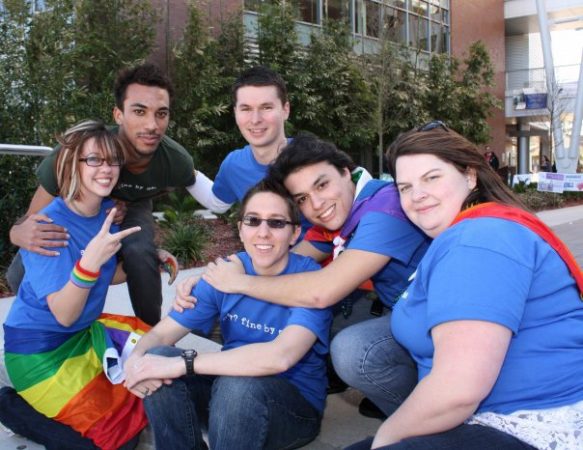 The LGBT Resource Center was founded in 2006 to provide education and resources to UNF with a commitment to support, advocacy and equality for LGBT people. In order to preserve the rich history of activism, community involvement, and progress at UNF, the Center decided to collect and document its story in partnership with the Thomas Carpenter Library. The archival process is meant to honor the individuals who created a foundation for LGBT inclusion at UNF, to document the Center’s origins, and to measure impact and growth of the Center over time. As LGBT inclusion becomes more mainstream, the histories of activism and change sometimes get lost; this project is meant to prevent the erasure of LGBT history at UNF. In collaboration with the Thomas Carpenter Library, the Center’s archival collection was created in 2013. This DHI project will build upon that collection by creating an opportunity for the Center to recommit to the archive project, to make the collection more accessible to the broader community, and to raise visibility about the archival collection.
The project will create a digital archive to store and make publicly accessible data, photos, audio, video, and documents about the LGBT Resource Center and LGBT inclusion at UNF. Artifacts will be uploaded, curated, and made available for the community to learn about the history of the Center. The site will be used for education, research, and planning for the future. UNF students and LGBT Resource Center staff will participate in the process by assisting in archiving current data, conducting interviews, collecting photos, and helping add to the Center’s story.
 Project leader
Kaitlin Legg is the director of the UNF LGBT Resource Center. Her current work focuses on institutional policy and cultural change for transgender inclusion, capacity building for LGBTQ support services, community partnerships and fundraising development, meeting the needs of the LGBTQ community, and outreach-based education. She also facilitates workshops and consults on broad issues of diversity and inclusion. Her research interests include mentoring and LGBTQ students, the efficacy of diversity and inclusion training in organizations, and preparedness of student affairs professionals for serving diverse populations. Kaitlin serves as a Southeast region co-coordinator for the Consortium of Higher Education LGBT Resource Professionals, Vice President for Diversity with the Association of Fundraising Professionals (First Coast Chapter), and as a TransAction Florida advisory board member with Equality Florida.
-
See Me: Homelessness as Seen through the Eyes of Women Living the Experience in Jacksonville, FL
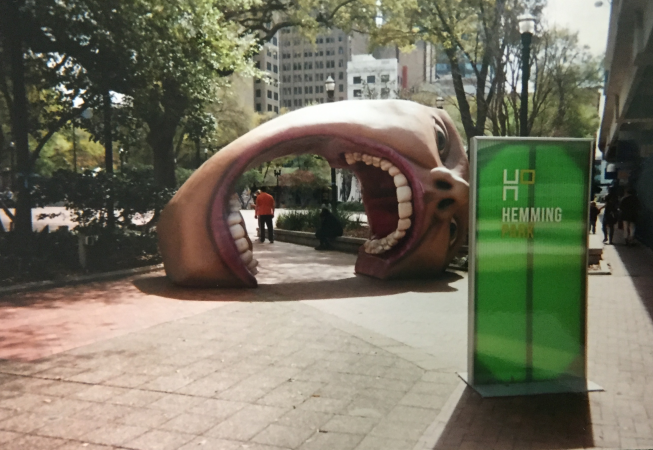 Women experiencing homelessness face many challenges as their marginalized identities both as women and individuals experiencing homelessness intersect. While research has established many probable causes and solutions with respect to homelessness in the United States, much is still unknown regarding the multidimensional needs of women without housing. This qualitative study used Photovoice as a Participatory Action Research (PAR) methodology to gain a greater understanding of the lives of women experiencing homelessness in a Southeastern community. Participants were 13 women, ages 18 and older, who were housed in two distinct community living facilities and identified as “currently experiencing homelessness” or “have experienced chronic homelessness.” Images and dialogue sessions were analyzed using the SHOWed methodology and thematic analysis. Preliminary themes found in the data include resiliency, inequality of power, and universality. The voices in this study highlight domestic violence—physical, mental, and emotional abuse—as a unique contributor to homelessness for women. The author discusses the social changes implemented by the participants, as well as implications for community leaders and policy makers.
 Project Co-Leader
Rachel Underwood is a recent graduate of the Clinical Mental Health Counseling program at the University of North Florida. She served as the program’s Graduate Research Assistant from 2015-2017. Rachel is currently working towards becoming a Licensed Mental Health Counselor following graduation. Her primary research interests include the intersectionality between gender, poverty, and mental health.
 Project Co-Leader
 Dr. Natalie Arce Indelicato is assistant professor and director of the Clinical Mental Health Counseling program at Jacksonville University. She was formerly an assistant professor of clinical mental health counseling at UNF, and was a member of the DHI Advisory Committee from 2015 to 2017. She is a Licensed Mental Health Counselor and Qualified Supervisor in the State of Florida. Her teaching philosophy and clinical theoretical orientation is grounded in the Relational Cultural Theory. Dr. Indelicato’s clinical and research interests have primarily related to college student development and the mental health of women and girls.
-
See What I See: Perspectives of Students with ASD at UNF
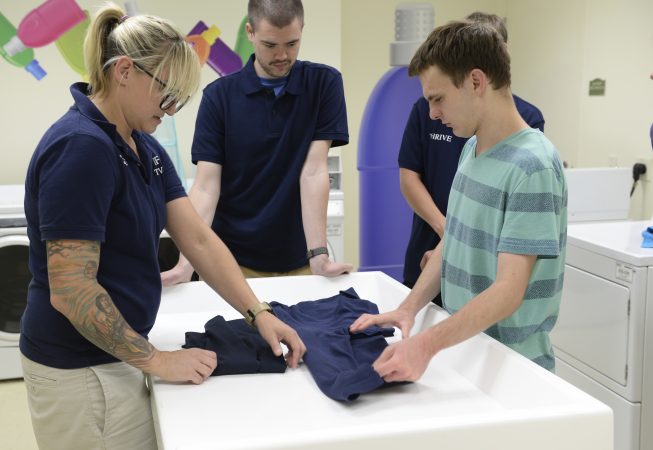 Transition to Health, Resources, Independent living, Viable careers, and Education (THRIVE) is a support program on campus for degree–seeking students with autism spectrum disorder (ASD). This project assembles a diverse team of students, faculty and staff who will use video storytelling, as well as other digital methods and tools, to build a multi–media, interactive online experience that explores the lives of students with ASD at UNF. We seek to make visible the academic and social challenges that these students face, from their own viewpoint. In the process, we aim to celebrate the diverse talents and perspectives they bring to our campus.
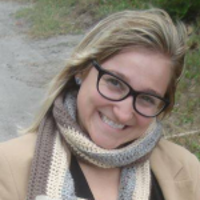 Project Leader
Tara Rowe, THRIVE Director; PhD candidate in Educational Leadership and DHI Advisory Committee member
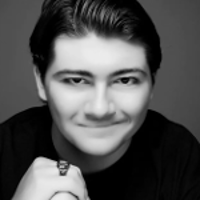 Student Collaborator
Tyler Charles, psychology major, student representative to the DHI Advisory Committee, and THRIVE program participant
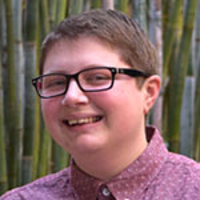 Faculty Collaborator
Jessica Harden, coordinator of educational media, CIRT; DHI Advisory Committee member; Events Committee member; and Communications/Social Media committee co–chair
-
SmartSign 2.0: American Sign Language Learning Mobile Apps for Children who are Deaf and their Families
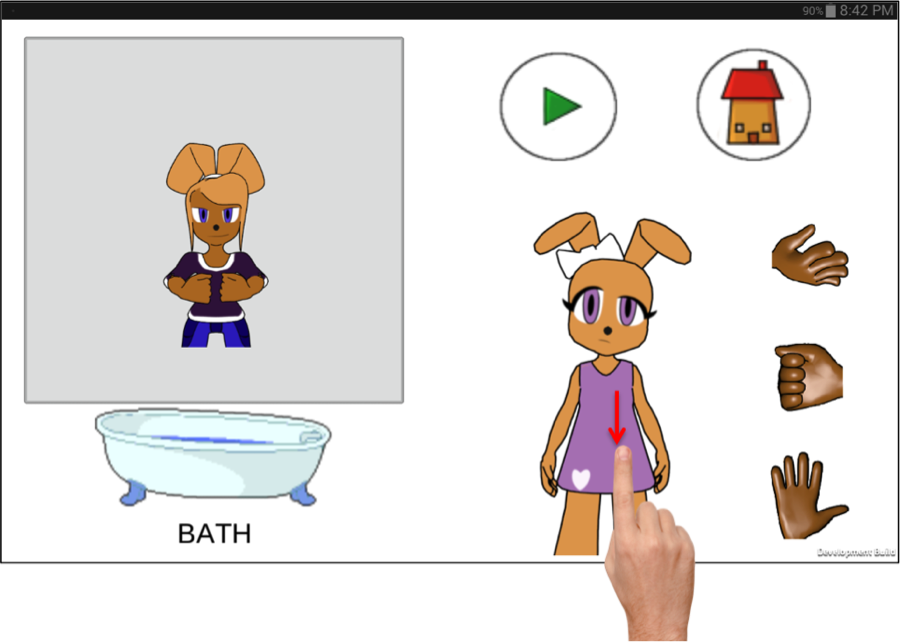 Research has shown that approximately 95% of children who are deaf or hard of hearing are born to hearing parents. The lack of common communication tools between the parents and the child in early years can cause catastrophic implications on literacy achievement and academic success in later years.
We are developing an interactive mobile application for learning American Sign Language (ASL). This app is intended to foster early language acquisition and communication for young deaf children and their families. The app, called SmartSign 2.0, is designed to be an interactive gaming application that provides a friendly interface for toddlers, parents, and service providers to learn essential and functional signs in ASL. SmartSign 2.0 is distinct from existing ASL-teaching mobile and Web applications because it will provide immediate and appropriate feedback to the user based on machine learning and pattern recognition technologies.
This interdisciplinary project allows us to work collaboratively with undergraduate students in computing and deaf education. Creating the prototype of the app involves activities such as identifying most commonly used ASL signs and phrases, creating graphics and animations for the selected signs and phrases, programming the app using a game engine, and programming functions that track the user's activity to examine their learning behavior and progress. The computing student work with Dr. Chuan to program the app while the student in deaf education work with Dr. Guardino to survey the best practices in using touch screen apps for children at different ages to learn ASL. Everyone in the team works together to interactively improve the prototype by conducting experiments to observe how children and parents interact with the app.
 Faculty Project Leader
Dr. Caroline Guardino
-
Texts in Pictures: Reading Chinese Through the Lens of Digital Devices
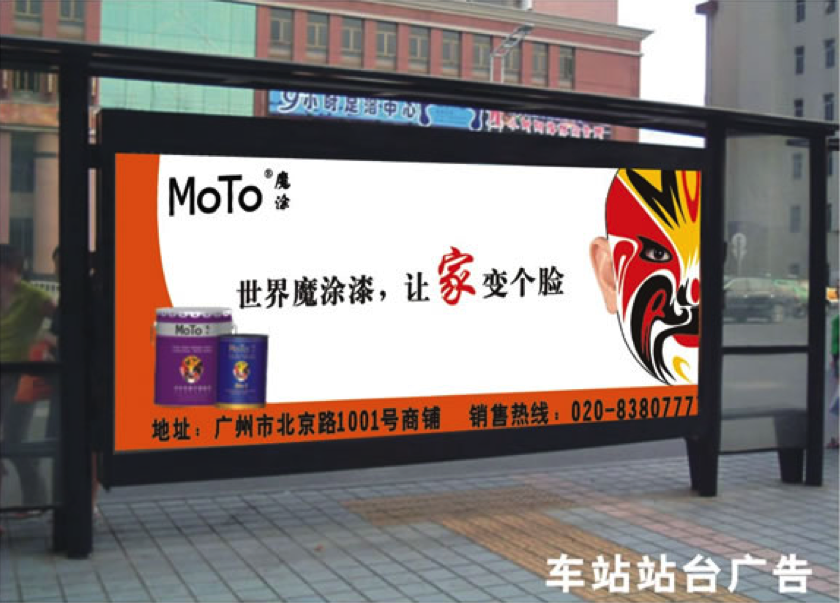 People who visit China invariably find themselves surrounded by all sorts of texts, including the ads at bus stops, the names of the business on the signboards, the instructions and regulations at tourists attractions, and of course, the celebratory couplets or banners at the gates of government buildings, etc. In the past these texts were by and large inaccessible to foreign eyes, due to the language barrier and the transient appearance in the view. Now the proliferation of camera-ready devices (mainly smart phones) and the advancement made by optical character recognition (OCR) technology have open up new possibilities. Chinese language students may benefit from a project that involves taking photos, recording geographic locations, identifying words in the pictures, and comprehending the texts, in order to develop both their proficiency and their knowledge of Chinese culture. This project plans to follow such a thought by merging the roles of scholar, artist, and technologist, the hallmark of digital humanism.
To make the project more manageable and practical, the researcher plans to divide students into three groups, each focusing on one form of texts. The first group will work on advertisements, as students look around in places such as subway stations, shopping malls and supermarkets. The second group will zoom in on Chinese and English that run side by side, usually in a disharmonious and humorous way. The third group will work on literary texts that are commonly found in temples, mountains and palaces, where poems and couplets add to the intangible beauty of the scene. Geographic information tags will be utilized to relate these photos to maps, which will incorporate students’ written reflections on the images.
 Faculty Project Leader
Yongan Wu
-
The Civil War In St. Augustine
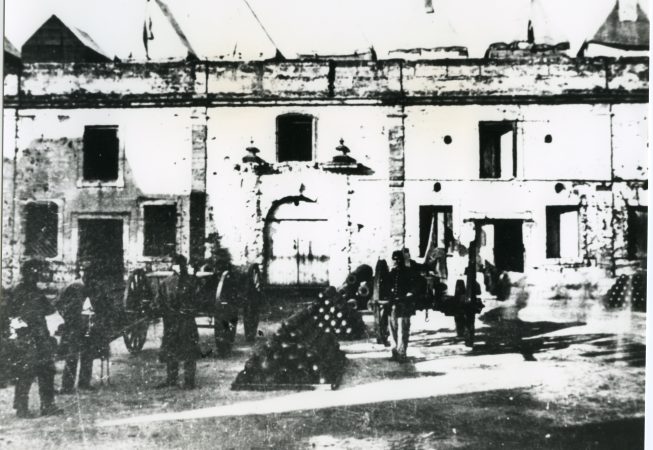 “The Civil War In St. Augustine” is a digital archive for students, scholars, and researchers. It incorporates letters, poems, images, and reports highlighting St. Augustine’s time as both a Confederate and Union outpost. Documents used were authored by soldiers and civilians on both sides of the conflict. Of particular note are three different items detailing the March, 1862 Union occupation of the town, from three different vantage points.
Materials come from the St. Augustine Historical Society Research Library and each item’s particular metadata describe its physical place in the library’s manuscript collections. Brought together in Omeka, an open-source platform for publishing digital archives, all text items are transcribed and encoded using TEI-XML and full-text searchable through PdfText, an Omeka plugin. All items are additionally indexed using the Omeka plugin, Simple Pages, and browsable by subcategories: “person,” “place,” “year,” and “regiment.”
An additional aspect of the project is “Views of Civil War St. Augustine.” An interactive map of the town during the war. Done through the Omeka plugin, Neatline, it shows public buildings, houses, and other points of interest important to the period. These include Fort Marion (Castillo de San Marcos), The Dummett House (currently the St. Francis Inn), The Markland House and others.
Actions against citizen dissent will be presented with Union arrest transcripts. St. Augustine resident Miss Christina Sanchez was detained for treason after a small Confederate flag was found attached to a birdcage in her house. The charges were later acquitted as the canary was found to be treasonous and not her.
 Project leader
Chad Germany is a recent UNF graduate of history and sociology. His historical interests are in various periods of St. Augustine’s long history. He’s done research on William Bartram’s interaction with ideas of the Enlightenment and Romanticism, and compiled a digital archive on the Civil War in St. Augustine. He has contributed to the DHI project, “Editing the Eartha M.M. White Archives,” and plans to attend Florida State University for a master’s in library science with a focus on archives.
 Faculty mentor
Dr. Charles Closmann is associate professor of History, chair of the History Department, and a member of the UNF Environmental Center Board. He earned his PhD in History at the University of Houston in 2002. He specializes in the history of modern Europe, the environmental history of Germany, and the environmental history of the United States. He is the editor of War and the Environment: Military Destruction in the Modern Age, published by Texas A&M University Press in 2009, and is the author of several other articles and chapters.
Related Presentations
Germany, Chad. "Digitizing St. Augustine's Civil War Years." Digital Project Showcase, UNF Digital Humanities Initiative, 2 Nov. 2016, University of North Florida.
Sources: Mason, B. (1863, April 24). A Report on St. Augustine [Letter to "Friend Frank"]. St. Augustine Historical Society Research Library, St. Augustine, Florida.
-
The Diary of a Soldier on Wheels: A Literary, Geographic, and Historical Analysis of WWI Motifs
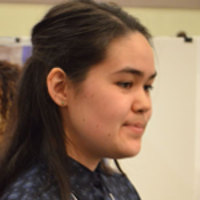
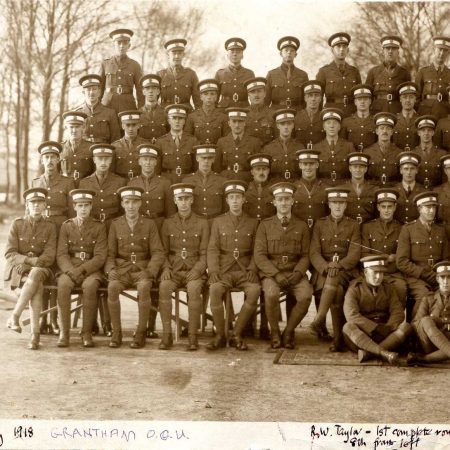 “The Diary of a Soldier on Wheels” is the first-ever literary critical study of the diary kept by R. W. Taylor, an avid reader and member of the Army Cyclists Corps during the First World War. The diary has only recently become available through Oxford’s First World War Poetry Digital Archive. This project grew out of a presentation and research paper that Aislinn Kelly wrote for Dr. Laura Heffernan’s fall 2015 course, “Literature of World War I.” She has since presented the paper at local and international conferences, including the Showcase of Osprey Advancements in Research & Scholarship (SOARS) 2016; THATCamp Gainesville 2016; the 13th International Robert Graves Society Conference at St. John’s College, Oxford; the SHARP affiliate panel at the South Atlantic Modern Language Association (SAMLA 88) conference; and Phi Alpha Theta’s 2nd Annual UNF History Conference. She presented a summary of this project to the UNF Board of Trustees on June 7, 2017, and she featured her cyclist-soldier research in her SOARS 2017 poster presentation and her presentation at Sigma Tau Delta’s spring 2017 showcase of interdisciplinary creativity. She was awarded a COAS Foundation Scholarship to attend two five-day courses at the London Rare Books School in summer 2017 and continue researching the writings of other Great War cyclist-soldiers in London archives. Kelly will use these materials to supplement her discussion of Taylor’s diary as she develops the paper into an article for publication.
 She argues that while Paul Fussell’s The Great War and Modern Memory remains the authoritative study of soldiers as writers and readers, he neglects the military population that read middlebrow novels and that experienced the war just beyond the trenches. She suggests that Taylor’s diary expands our literary history of the war. Situating the diary in its historical and literary contexts allows us to trace the origins of the motifs that Taylor utilized and compare his meanings with those of his famous contemporaries. To track keywords through the diary, Kelly has transcribed it into the program Evernote, making the hand-written document viewable side by side with a searchable and tagged plain-text transcription. The transcript is also the first step towards Kelly’s intention to encode the diary using TEI-XML. The literary analysis proposes how to read the diary as a piece of war writing influenced by his surroundings and the novels he read in his leisure time. For instance, Taylor’s description of a sunset lacks a juxtaposed trench, and he uses the theater as an analogy but does not grapple with the performative, dissociative aspects of trench warfare. In light of the war’s centenary, it is important to consider this different experience of war and make it accessible as part of a reimagined WWI literary canon.
 Student Researcher
Aislinn Kelly is in her fourth year as an undergraduate majoring in English and double-minoring in Literature and Art History at the University of North Florida. She transferred to UNF after earning her AA in English at FSCJ, where she took the literature class that sparked her interest in the literature of the First World War. She is a student representative to the Advisory Committee of the Digital Humanities Initiative. Her other academic projects include co-authoring an article with Dr. Laura Heffernan and Deanna McMichael about teaching the women writers of the First World War—with a focus on women whose work appears in the First World War Poetry Digital Archive. After her prospective graduation from UNF in the fall of 2017, Kelly intends to gain experience working in archives and to pursue a graduate education in English literature.
 Faculty Mentor
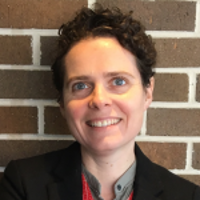
Laura Heffernan is Associate Professor of English at UNF. She teaches courses on 19th- and 20th-century British literature, the modernist novel, and exploratory digital seminars on the literature of office work and the literary history of World War I. Dr. Heffernan’s research uses archival materials to discover how people have read, studied, and taught literature through the twentieth century. Her work has appeared in Modernism/modernity, Representations, Victorian Studies, and New Literary History, and she blogs about digital methods and disciplinary histories here: https://modernismmodernity.org/forums/discipline. Dr. Heffernan serves on the DHI Advisory Committee and co-chairs the DHI Curriculum Committee, which oversees the Digital Humanities minor at UNF.
Related Presentations
Kelly has presented on "The Diary of a Soldier on Wheels" as part of the following events:
"Building an Interdisciplinary DH Community at the University of North Florida," HASTAC 2017: The Possible Worlds of Digital Humanities; Humanities, Arts, Science, and Technology Alliance and Collaboratory; November 3-4, 2017, Orlando, Florida (with Clayton McCarl, Anne Pfister, Julia Rivera-Whalen and David Wilson).
Meeting of the DHI Advisory Committee, September 23, 2016, Special Collections and Archives, Thomas G. Carpenter Library, University of North Florida.
"Presenting the Digital Humanities Initiative." Board of Trustees Meeting, June 7, 2016, University of North Florida (with Cameron Adelsperger, Chad Germany, Paula Hernández, Jen Lee and Clayton McCarl).
"Student Involvement in Digital Humanities Research at UNF." THATCamp Gainesville, April 21, 2016, University of North Florida (with Buddy Delegal, Kalthoum Elfasi, Laura Heffernan, Jen Lee, Clayton McCarl, Anne Pfister, and Krysten Ross).
"It Ends Without Explanation: Computers and Cameras in the Archive and Informational Absences as Inspiration. Showcase of Osprey Advancements in Research & Scholarship (SOARS), April 14, 2017, University of North Florida.
"It Ends Without Explanation: Computers and Cameras in the Archive and Informational Absences as Inspiration"
"The Pleasures of the Text," Sigma Tau Delta Spring 2017 Showcase on Creativity, March 3, 2017, University of North Florida.
"The Diary of a Soldier on Wheels: A Literary, Geographic, and Historical Analysis of WWI Motifs." Phi Alpha Theta's 2nd Annual UNF History Conference, January 28, 2017, University of North Florida.
"The Diary of a Soldier on Wheels: A Book Historical Analysis of WWI Motifs." SHARP affiliate panel at the South Atlantic Modern Language Association (SAMLA88) conference, November 4, 2016, Jacksonville, FL.
"The Diary of a Soldier on Wheels: A Literary, Geographic, and Historical Analysis of WWI Motifs." 13th International Robert Graves Society Conference, September 9, 2016, St. John's College, Oxford.
"The Diary of a Soldier on Wheels: R. W. Taylor, 11th Cyclists Corps." THATCamp Gainesville 2016, April 23, 2016, Gainesville, FL.
"The Diary of a Soldier on Wheels: A Literary, Geographic, and Historical Analysis of WWI Motifs." April 15, 2016, Showcase of Osprey Advancements in Research & Scholarship (SOARS), University of North Florida.
The historical and document images used on this page are from The Great War Archive, University of Oxford. © [Stuart Lee].
-
The Lower St. Johns Digital Archive: Science and Society
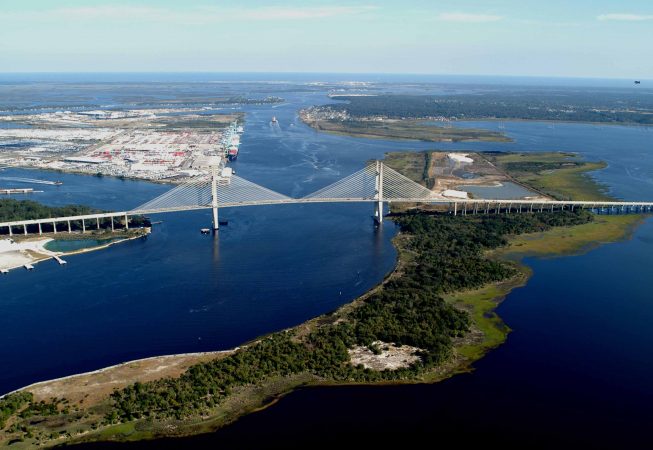 The St. Johns River’s lower segment runs through Jacksonville into the Atlantic Ocean. This natural resource is such a major part of our society, in so many ways, that we feel it is time to provide a mechanism for the community to share and learn about it from all aspects. This project would create a digital archive to allow collection of data/photos/audio/video about the river from multiple perspectives; history, music, geography, economics, demographics, biology, chemistry, and so many more. Data and files of all types would be uploaded, curated, and made available for residents to learn and appreciate this amazing resource. The site could then be used in formal and informal education, research, planning, and in celebration of the river. Partners would include local government, state agencies, community groups, local businesses and local high schools and colleges. UNF students in different disciplines will be invited to do targeted research in their area using the archive as a base.
The project would be implemented using the free Fedora Commons (FC) digital repository software and based off of the UNF Environmental Center’s existing digital archive about the UNF Preserve (https://preserve.unf.edu) and the Lower St. Johns River report Digital Archive (http://sjrda.unf.edu). FC allows any file to be uploaded and annotated with metadata that characterizes the content of the file. Text within the files can be searched and the files can be linked together to create collections dynamically. The UNF Preserve website also uses another free software package called CakePHP to create the web interface to FC and this allows creation of rich webpages and will provide mechanisms for other websites to use the LSJR Archive resources in other web projects.
 Faculty Project Leader
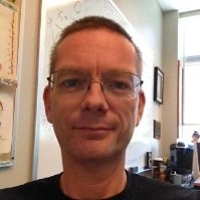
Stuart Chalk
Photo courtesy of Florida History Online
-
Unheard Voices of the Enlightenment
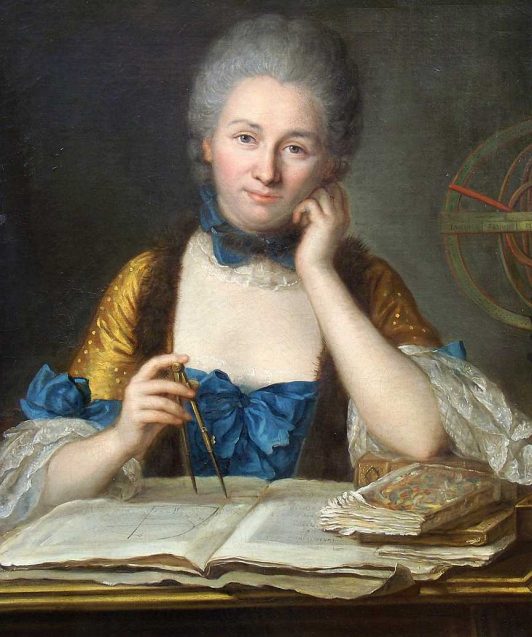 Traditionally, historians have studied the Enlightenment as an intellectual project undertaken by a small group of educated elites better known as the philosophes. The philosophes’publications comprise the chief texts with which historians have understood the nature of the Enlightenment. In recent years, however, many historians have challenged this notion of an Enlightenment of only philosophes. Drawing from the work of Jürgen Habermas, among others, scholars no longer see the Enlightenment purely as a movement of intellectual elites. Instead, the Enlightenment has broadened to include new social institutions, cultural practices, and spheres of debate. In so doing, scholars have begun to pay attention to the contributions of a wider range of historical subjects outside the great philosophes of the eighteenth century.
Unheard Voices of the Enlightenment is a collaborative project to produce electronic editions of eighteenth–century documents from historical figures and institutions generally ignored by studies focused on the philosophes. Contributors to the project will include the graduate students enrolled in Dr. Daniel Watkins’s seminar on the European Enlightenment (first offered in Fall 2016). The editions created by contributors will include mainly rare print texts from the eighteenth–century Anglophone world. They will engage topics relevant to the study of the Enlightenment as a broader social and cultural project. Contributors will also provide critical essays contextualizing their editions and explaining how they are useful for understanding the Enlightenment as a complex movement advanced by a wide variety of historical actors. Ultimately, the goal of the project will be to provide historians, students, and the interested public alike with a far broader — and consequently far more representative — collection of voices of the Enlightenment than generally uncovered by popular histories and primary source readers on the period.
 Project Leader
Dr. Daniel J. Watkins is an assistant professor of History at the University of North Florida. He specializes in the history of eighteenth–century France and is currently researching the many ways that the European Enlightenment shaped and was shaped by members of the Society of Jesus.
-
Visualizing Refugee Jacksonville
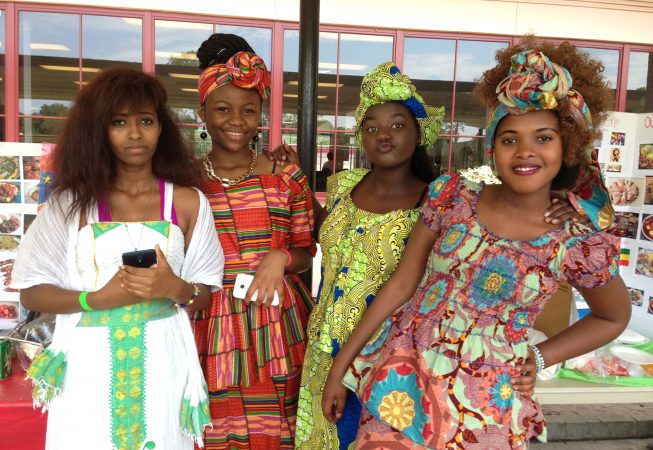 This project explores the experiences of refugee communities in Jacksonville. Based off of first–hand research involving refugee resettlement agencies, as well as interviews with individuals and families, we seek to visualize the ways that refugees transition to Jacksonville and integrate into the life of our city. Using methods and tools for oral history, visual storytelling, and digital mapping, this project seeks to make visible the lives of a population largely unseen by the larger Jacksonville community—that of the sizeable refugee communities that live among us and contribute in numerous ways to the diversity and vitality of our city. This project has been designed and is led by a team of student/alumni collaborators from the UNF International Studies Program.
Student/alumni leaders/collaborators:
 Natalie Holland (international studies)
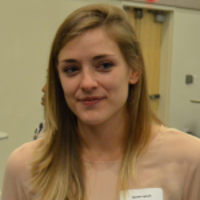 Sarah Lynch (international studies/Spanish)
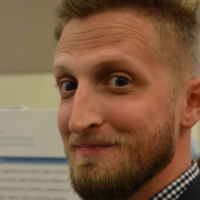 Chris Wilson (international studies 2017)
Photo by Siddhant Soni on Unsplash
-
Virtual Fieldwork: Using Virtual Reality (VR) in Anthropology
"Virtual Fieldwork" is a study that aims at assessing the effectiveness of virtual reality technology in teaching anthropology. The project considers VR as a potential complement to learning and preparing students for fieldwork, as it can stimulate strong emotional responses to sensorimotor immersion into real-life-like virtual settings. Students can interact with or practice active observation of cultural practices and phenomena to develop original research projects.
This project will focus on 1) testing applicability of existing educational content and measuring learning outcomes of anthropology-related topics (e.g. Traveling While Black, VR for Good: We Live Here - Homelessness, Home After War, Nomads, etc.), and 2) developing new content for complementing and training for fieldwork methods in anthropology in a virtual setting (e.g. working with a DH student to collect original content using a Vuze 3D camera and collaborating on editing captured content using FinalCut Pro video editing software).
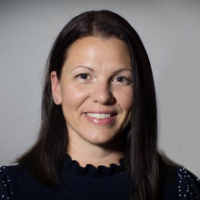 Faculty Project Leader
Dr. Jelena Brezjanović is a visiting instructor of Anthropology at the Department of Sociology, Anthropology and Social Work at the University of North Florida, where she teaches courses in Linguistic and Cultural Anthropology. The scope of her research includes studies in bilingual language patterns, migration, ethnoecology and conservation. Brezjanović serves as the Executive Coordinator for the International Society of Ethnobiology, contributing her expertise to help promote world-wide biological, cultural, and linguistic diversity, especially the conservation of the ecosystems and knowledge bases of indigenous communities.